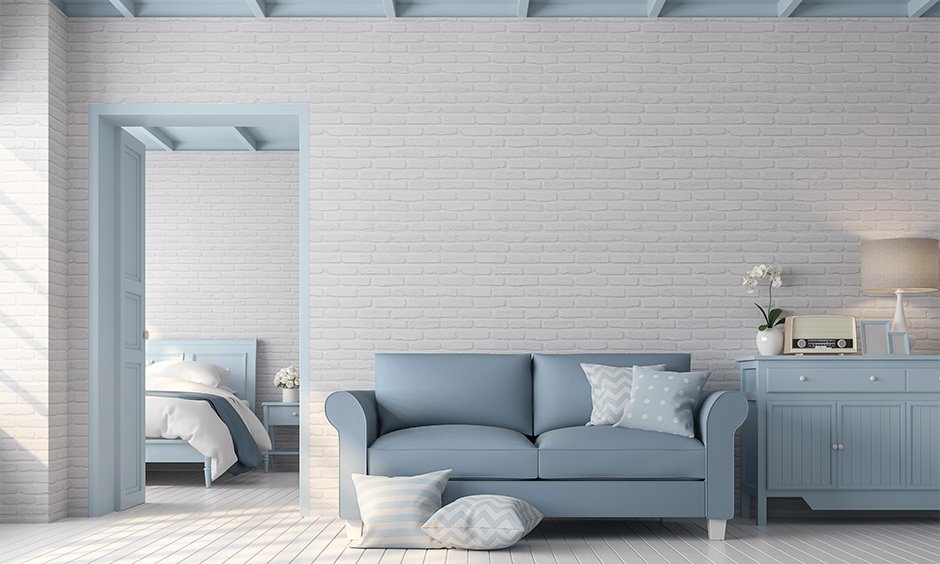
Staring at endless paint swatches and feeling more confused than inspired? Knowing how to choose paint color for each room can transform the entire feel of your home, but it requires more thought than picking your favorite shade.
The right color depends on lighting, room size, furniture, and even the mood you want to create in each space.
In this guide, we’ll walk through practical steps for how to choose paint color room by room, helping you avoid costly repainting mistakes.
1. Understand the Basics of Color Theory
Before diving into specific rooms, understanding color theory is essential when learning how to choose paint color effectively.
- Warm colors (reds, oranges, yellows) create energy and coziness
- Cool colors (blues, greens, purples) promote calm and relaxation
- Neutral tones (beige, grey, white) offer versatility and timeless appeal
- Color intensity affects perceived room size — darker shades make spaces feel smaller
Understanding these basics helps you narrow down options before even visiting a paint store.
2. Consider Natural and Artificial Lighting
Lighting dramatically affects how paint colors appear, making this a crucial step in how to choose paint color correctly.
- Rooms with abundant natural light can handle darker or bolder shades
- Poorly lit rooms benefit from lighter colors to avoid feeling gloomy
- Test paint samples at different times of day before finalizing
- Artificial lighting (warm vs cool bulbs) can shift how colors appear indoors
(Internal link suggestion: link to “smart home upgrades every homeowner should try this year”)
Always test a small painted section on the actual wall rather than relying solely on paint chips or swatches.
3. Choosing Paint Colors for Living Rooms
Living rooms are often the focal point of a home, making color choice here central to understanding how to choose paint color for shared spaces.
- Neutral tones like warm beige or soft grey work well for versatile styling
- Accent walls in deeper tones can add character without overwhelming the space
- Consider how the color pairs with existing furniture and decor
- Lighter shades help make smaller living rooms feel more spacious
Living room colors should balance personal style with broad appeal, especially if you frequently host guests.
4. Selecting Colors for Bedrooms
Bedrooms benefit from a different approach when considering how to choose paint color, since restfulness matters more than boldness.
- Soft blues and greens promote relaxation and better sleep quality
- Muted, warm neutrals create a cozy, inviting atmosphere
- Avoid overly bright or stimulating colors that can affect sleep
- Consider pairing walls with soft, coordinating bedding and curtains
Since bedrooms are primarily used for rest, prioritizing calming tones often leads to greater long-term satisfaction with the choice.
5. Picking Kitchen and Dining Room Colors
Kitchens and dining areas have unique considerations when learning how to choose paint color for functional, high-traffic spaces.
- Light, bright colors help kitchens feel clean and open
- Warm tones like soft yellow or terracotta can stimulate appetite in dining areas
- Consider washable, durable paint finishes for easy cleaning
- Avoid very dark colors in smaller kitchens, as they can feel cramped
(Internal link suggestion: link to “kitchen renovation cost guide: what to expect room by room”)
Since kitchens see frequent spills and splashes, choosing a washable finish is just as important as the color itself.
6. Bathroom Paint Color Considerations
Bathrooms require specific attention when figuring out how to choose paint color due to moisture exposure.
- Choose moisture-resistant or specially formulated bathroom paints
- Light blues, soft greens, or crisp whites create a fresh, spa-like feel
- Ensure proper ventilation to prevent paint damage from humidity
- Test colors under bathroom lighting, which can differ from natural daylight
Selecting the right paint type for bathrooms matters as much as the color choice itself, given the higher moisture levels in these spaces.
7. Creating Flow Between Rooms
An often-overlooked aspect of how to choose paint color is ensuring cohesive flow throughout connected spaces.
- Choose a consistent color palette or family of shades across open-plan areas
- Use trim or accent colors to create subtle transitions between rooms
- Avoid drastically different color schemes in visually connected spaces
- Consider a whole-home color palette before starting individual room projects
(Internal link suggestion: link to “budget home improvement ideas that add value”)
Planning colors holistically prevents a disjointed feel when moving between different areas of your home.
8. Testing and Finalizing Your Paint Choice
Before committing to a full room, testing is a critical final step in how to choose paint color confidently.
- Purchase small sample pots to test on actual walls
- Paint sample patches in different areas of the room to check lighting variations
- Live with samples for at least a few days before deciding
- Consider how the color looks alongside existing furniture and flooring
Taking time to test thoroughly prevents the disappointment of repainting due to an unexpected color outcome.
Frequently Asked Questions
1. How do I choose the right paint color for a small room? Lighter, neutral shades generally make small rooms feel more spacious and open compared to darker colors.
2. What paint colors work best for bedrooms? Soft blues, greens, and warm neutrals are popular choices for creating a calm, restful bedroom atmosphere.
3. Should kitchen and living room colors match? They don’t need to match exactly, but choosing complementary tones creates better visual flow in open-plan homes.
4. How does lighting affect paint color choice? Natural and artificial lighting can significantly change how a color appears, making it essential to test samples under actual room lighting.
5. What type of paint is best for bathrooms? Moisture-resistant or specially formulated bathroom paints work best due to higher humidity levels in these spaces.
6. Should I test paint samples before painting the whole room? Yes, testing small sample patches under different lighting conditions helps avoid costly repainting mistakes.
Conclusion
Learning how to choose paint color for every room comes down to understanding lighting, room function, and the mood you want to create. From calming bedroom tones to functional kitchen finishes, each space benefits from thoughtful color selection.
Take time to test samples and consider how colors flow between connected spaces before making your final decision.
Ready to start painting? Use these tips on how to choose paint color to confidently transform every room in your home.
Image Alt Text Suggestions:
- “How to choose paint color — color swatches being tested on wall”
- “Soft blue paint color in a calming bedroom setting”
- “Neutral paint tones creating flow between living room and kitchen”