Wondering if you can just use the same paint for both indoor and outdoor walls? Understanding interior vs exterior paint differences is essential before starting any painting project, since using the wrong type can lead to poor results and wasted money.
While they might look similar in the can, these two paint types are formulated very differently to handle completely different conditions.
In this guide, we’ll break down the interior vs exterior paint debate, covering composition, durability, and application to help you choose correctly every time.
1. Understanding the Core Differences
Before exploring specific factors, it helps to understand the fundamental distinction in the interior vs exterior paint comparison.
- Interior paint is formulated for indoor conditions with lower durability requirements
- Exterior paint contains additives designed to withstand weather, UV rays, and temperature changes
- Interior paint prioritizes low odor and easy cleaning for living spaces
- Exterior paint prioritizes weather resistance and long-term color retention outdoors
This foundational difference explains why using one in place of the other often leads to disappointing results.
2. Composition and Ingredients
The chemical makeup is a major factor separating interior vs exterior paint options available today.
- Exterior paint contains stronger binders to withstand rain, sun, and temperature fluctuations
- Interior paint typically has lower levels of volatile organic compounds (VOCs) for indoor air quality
- Exterior formulations include mildew-resistant additives to combat outdoor moisture
- Interior paint often prioritizes smoother finishes suited for close-up viewing indoors
(Internal link suggestion: link to “how to choose the perfect paint color for every room”)
Understanding these compositional differences clarifies why exterior paint isn’t ideal for indoor use, despite its durability advantages.
3. Durability and Weather Resistance
Durability requirements differ significantly in the interior vs exterior paint comparison due to environmental exposure.
- Exterior paint must withstand rain, humidity, UV exposure, and temperature swings
- Interior paint faces minimal environmental stress, focusing instead on wear from daily contact
- Exterior paint typically includes flexible binders to prevent cracking from temperature changes
- Interior paint prioritizes scrub-resistance for walls that get touched or cleaned frequently
(Internal link suggestion: link to “seasonal home maintenance checklist you shouldn’t skip”)
Using interior paint outdoors often results in premature fading, cracking, or peeling due to inadequate weather resistance.
4. VOC Levels and Indoor Air Quality
Health considerations play an important role in the interior vs exterior paint discussion, especially regarding indoor air quality.
- Interior paints are generally formulated with lower VOC levels for better indoor air safety
- Exterior paints may contain higher VOC levels since they’re used in open-air environments
- Low-VOC interior paint options are increasingly available for health-conscious homeowners
- Proper ventilation remains important when using either paint type indoors during application
Choosing low-VOC interior paint is particularly important for bedrooms, nurseries, or homes with respiratory sensitivities.
5. Finish and Appearance Differences
Visual finish is another distinguishing factor in the interior vs exterior paint comparison that affects overall aesthetics.
- Interior paints offer finishes like matte, eggshell, satin, and gloss for varied indoor aesthetics
- Exterior paints typically come in satin or gloss finishes optimized for weather resistance
- Interior finishes are chosen based on room function and desired light reflection
- Exterior finishes prioritize water shedding and dirt resistance over decorative variety
Selecting the right finish for each application ensures both aesthetic appeal and long-term performance.
6. Application and Drying Considerations
Application techniques vary in the interior vs exterior paint process due to differing environmental conditions.
- Exterior painting requires monitoring weather conditions before and during application
- Interior painting allows more controlled conditions regardless of outdoor weather
- Exterior paint often requires longer drying times between coats due to humidity factors
- Interior paint typically dries faster in controlled indoor environments
Planning exterior painting projects around favorable weather, such as avoiding monsoon season, helps ensure better results.
7. Can You Use Exterior Paint Indoors or Vice Versa?
A common question in the interior vs exterior paint debate is whether these paints are interchangeable.
- Exterior paint indoors can release higher VOC levels, affecting indoor air quality
- Interior paint used outdoors typically fails quickly due to lack of weather resistance
- Manufacturers specifically formulate each type for its intended environment
- Using paint outside its intended purpose often leads to costly repainting sooner than expected
(Internal link suggestion: link to “budget home improvement ideas that add value”)
Sticking to the correct paint type for each application ultimately saves money and effort in the long run.
8. Choosing the Right Paint for Your Project
Making the right choice in the interior vs exterior paint decision depends on your specific project needs.
- For indoor walls, ceilings, and trim, always choose interior-specific paint
- For exterior walls, gates, and outdoor structures, choose weather-resistant exterior paint
- Consult with paint professionals for specialized surfaces like metal or wood exteriors
- Consider climate-specific exterior paint formulations for extreme weather regions
Taking time to select the correct paint type for each surface ensures better durability and appearance over time.
Frequently Asked Questions
1. Can I use exterior paint inside my home? It’s not recommended, as exterior paint often has higher VOC levels that can affect indoor air quality.
2. What is the main difference between interior vs exterior paint? Exterior paint is formulated for weather resistance, while interior paint prioritizes low VOCs and smooth finishes for indoor spaces.
3. Does exterior paint last longer than interior paint? Exterior paint is designed for durability against weather, but this comparison isn’t directly relevant since each serves a different purpose.
4. Is exterior paint more expensive than interior paint? Exterior paint often costs more due to additional weather-resistant additives and durability requirements.
5. Can interior paint be used outdoors temporarily? It’s not advisable, as interior paint lacks the weather resistance needed for outdoor durability, even short-term.
6. What finish is best for exterior walls? Satin or gloss finishes are commonly recommended for exterior walls due to their water-shedding and dirt-resistant properties.
Conclusion
Understanding the interior vs exterior paint difference ensures your painting project delivers lasting, professional results. From composition and durability to VOC levels and finish options, each paint type is specifically formulated for its intended environment.
Always match the paint type to its intended surface — interior paint indoors, exterior paint outdoors — to avoid premature wear and unnecessary repainting.
Planning your next painting project? Keep this interior vs exterior paint comparison in mind to choose the right product for lasting results.
Image Alt Text Suggestions:
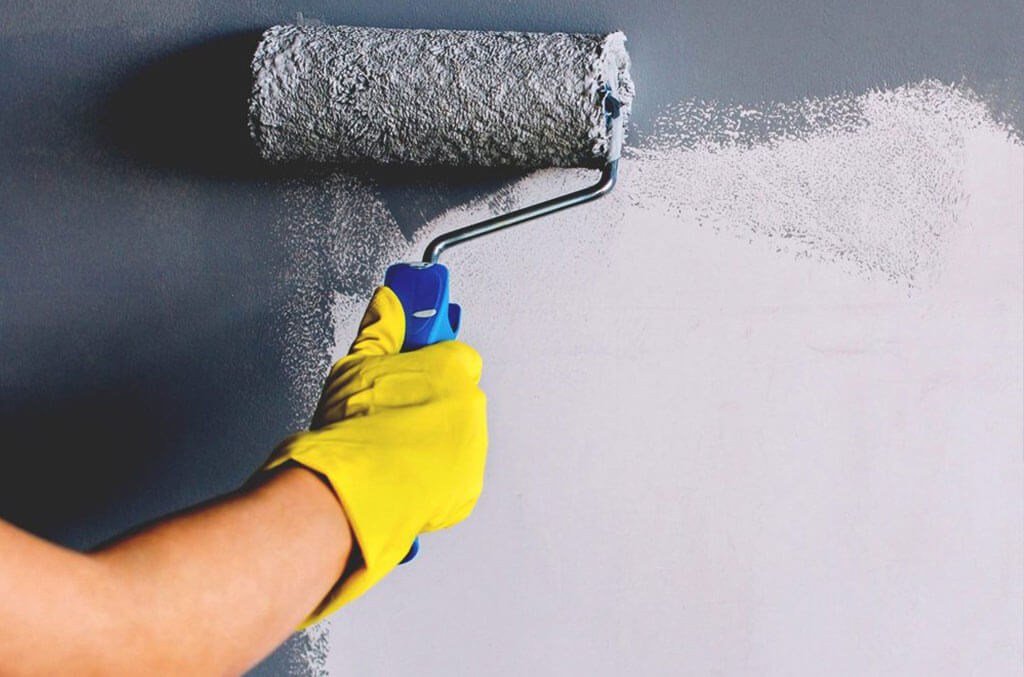
- “Interior vs exterior paint — painter applying weather-resistant exterior coating”
- “Interior paint finish samples in matte and satin sheen”
- “Exterior wall being painted with durable outdoor paint”