Blog

  • How to Check Your Website for Toxic Backlinks

    If you run a construction, repair, or real estate business, your website helps local customers decide whether to trust you. Links from other websites can support its visibility, but suspicious links may raise concerns about how your site earned its search rankings. A careful review can help you separate genuine risks from links that simply look unfamiliar.

    Backlink cleanup is not about removing every low-quality mention. Search engines encounter imperfect links across the web, and a link from a small or unrelated site is not automatically harmful. The goal is to identify manipulative patterns, respond proportionately, and avoid changes that could damage useful links.

    1. What Makes a Backlink Toxic?

    “Toxic backlink” is a common industry term, not a simple label that Google applies to every link. The main concern is whether links were created to manipulate search rankings in ways that violate search engine spam policies.

    • Large numbers of paid links intended to pass ranking value
    • Links from private networks or sites built mainly to publish links
    • Repeated keyword-heavy anchor text pointing to the same pages
    • Links placed in unrelated articles, hidden text, or hacked pages

    A website with few visitors or an unattractive design may still link naturally. Look at the source and pattern, not a single tool-generated score.

    2. Why Home-Service Businesses Should Pay Attention

    Contractors, tradespeople, property managers, and real estate agents may gain links through local directories, suppliers, community organizations, project features, or professional associations. Those references can help customers find useful information about a business.

    Problems can arise when a company buys bulk links or hires a provider that promises fast rankings without explaining its methods. A short-lived boost is not worth risking a manual action or spending time later untangling a large, unclear link profile. Keep records of marketing work and ask providers where links will appear and how they are obtained.

    3. How to Audit Your Backlinks

    Start with a backlink report from Google Search Console and, if useful, compare it with a reputable SEO platform. Different tools have different databases, so no report will show every link. Export the data and review it for repeated patterns rather than treating automated ratings as proof.

    1. Group links by source. Check referring domains, linking pages, and the pages on your site receiving links.
    2. Review context. Open suspicious pages when safe, and note whether the link is relevant, editorial, and visible to readers.
    3. Look for patterns. Watch for many links using the same commercial phrase, clusters of sites with similar layouts, or sudden bursts tied to a campaign.
    4. Check for a manual action. Search Console can show whether Google has reported a manual link-related penalty.

    For a fuller walkthrough of identifying questionable patterns and choosing a response, see this backlink cleanup guide.

    4. Request Removal Before Considering Disavow

    If you confirm that a link came from a scheme you arranged or paid for, contact the site owner and request its removal or a change that prevents it from passing ranking credit. Keep a simple record of the page, date, contact attempt, and response. Avoid repeated or aggressive messages, especially when a site offers no clear contact route.

    Google’s disavow tool is an advanced option, not a routine maintenance step. It tells Google to disregard specified links when assessing your site. A mistaken disavow can discount legitimate links, so use it only when there is a substantial pattern of artificial links and a reasonable basis to believe they could cause a manual action. If your site has no manual action and you did not create the links, removal or disavowal may not be necessary.

    5. Avoid Common Cleanup Mistakes

    • Do not disavow every domain with a low third-party “toxicity” score.
    • Do not pay a removal service that promises guaranteed recovery.
    • Do not delete useful pages just because they receive an unfamiliar link.
    • Do not assume that a sudden increase in links proves an attack; investigate the source first.

    When the audit is large or the evidence is unclear, getting a second opinion can be sensible. A freelancer marketplace such as Osdire lets buyers hire freelancers across categories including marketing, writing, and technology. If you use any marketplace, define the audit scope, request a written explanation of recommendations, and retain control of your website accounts and decisions.

    6. Prevent Future Link Problems

    Build links through work that is genuinely useful to customers: publish project details with permission, contribute practical expertise to local publications, maintain accurate business listings, and develop relationships with suppliers and community groups. If you hire an SEO provider, ask for transparent reporting and reject offers based on large quantities of undisclosed links.

    Frequently Asked Questions

    Are all low-quality backlinks harmful?

    No. A weak or unrelated website link is not automatically manipulative. Evaluate its context and whether it reflects a link scheme.

    Should I disavow links every year?

    Not as a routine task. Disavowal is generally reserved for substantial, artificial link patterns that may create a real risk.

    Can I remove a link myself?

    You can ask the site owner to remove it, but you cannot directly edit another website. Keep a record of your request and outcome.

    Conclusion

    Backlink cleanup works best when it begins with evidence, not alarm. Review patterns, distinguish manipulative links from ordinary web noise, and request removals where appropriate. Use disavowal cautiously, and focus future marketing on credible relationships that help people find and evaluate your business.
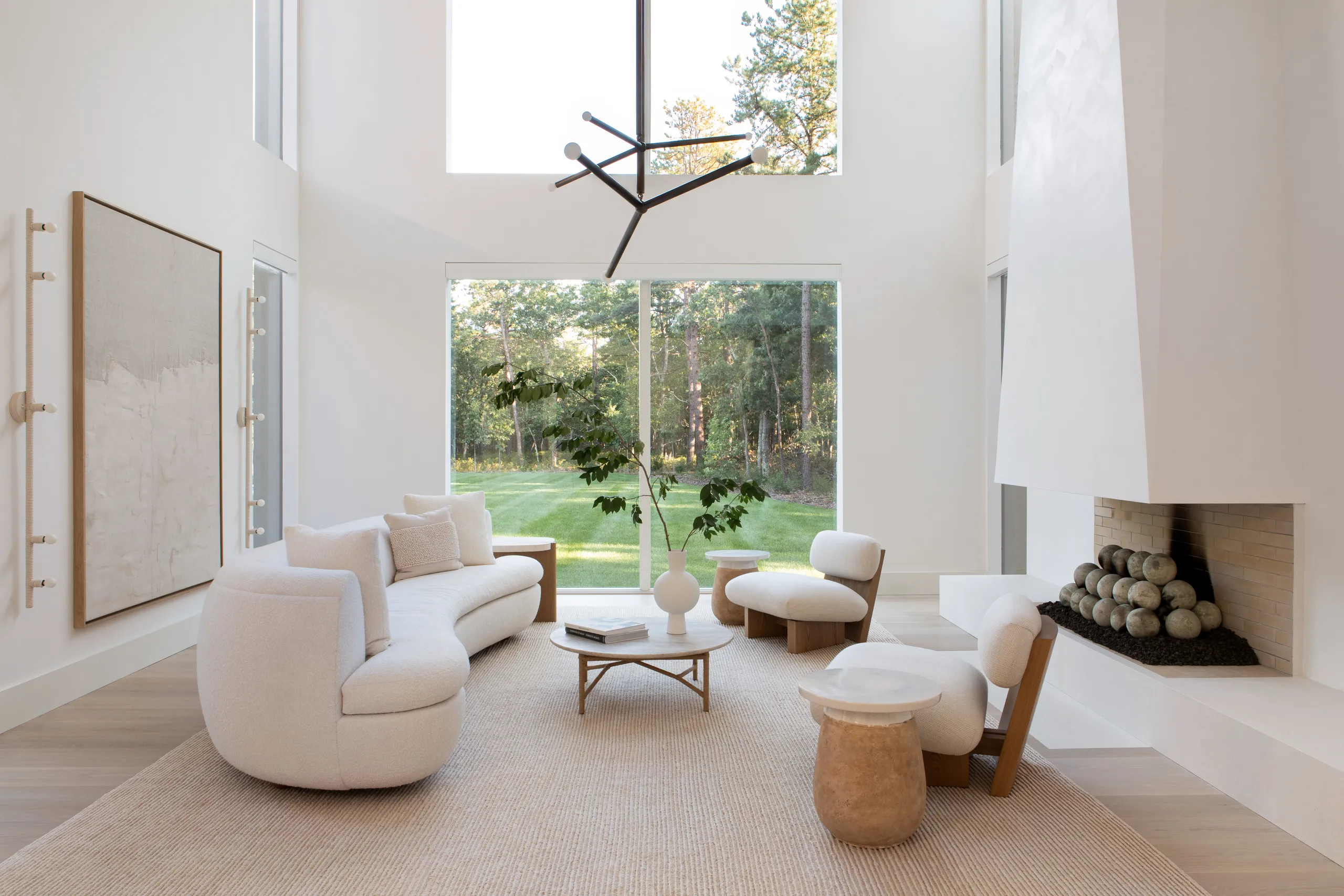
  • Minimalist Home Design Ideas for a Calmer Space

    Minimalist Home Design Ideas for a Calmer Space

    Feel like your home is more overwhelming than relaxing? Minimalist home design ideas focus on simplicity, intention, and space, helping create an environment that feels calmer and easier to live in.

    Minimalism isn’t about having an empty house — it’s about keeping only what adds real value, function, or meaning to your daily life.

    In this guide, we’ll explore practical minimalist home design ideas that help you create a peaceful, uncluttered space without sacrificing comfort or personality.

    1. Understanding the Core Principles of Minimalist Design

    Before diving into specific rooms, it helps to understand the philosophy behind minimalist home design ideas.

    • Focus on quality over quantity when choosing furniture and decor
    • Keep only items that serve a clear purpose or bring genuine value
    • Embrace open space as a design feature rather than something to fill
    • Choose a simple, cohesive color palette throughout the home

    Understanding these foundational principles makes it easier to apply minimalism consistently across every room.

    2. Decluttering as the First Step

    Decluttering is the essential starting point for any minimalist home design ideas approach.

    • Sort belongings into keep, donate, and discard categories
    • Remove duplicate items that serve the same function
    • Store seasonal items out of sight when not in use
    • Regularly reassess belongings to prevent clutter from accumulating again

    (Internal link suggestion: link to “deep cleaning checklist: the ultimate room-by-room guide”)

    A thorough declutter creates the foundation needed before any minimalist design changes can truly take effect.

    3. Choosing Simple, Functional Furniture

    Furniture selection plays a central role in successful minimalist home design ideas.

    • Choose pieces with clean lines and minimal ornamentation
    • Prioritize multi-functional furniture that reduces the need for extra pieces
    • Avoid overcrowding rooms with unnecessary seating or storage units
    • Select furniture with visible legs to create a lighter, more open feel

    (Internal link suggestion: link to “how to decorate a small living room without clutter”)

    Simple, well-chosen furniture pieces allow the room’s architecture and open space to become part of the design itself.

    4. Embracing a Neutral Color Palette

    Color choices significantly influence the calming effect central to minimalist home design ideas.

    • Stick to whites, soft greys, and warm neutrals as base tones
    • Use muted, natural colors like beige or sage for subtle warmth
    • Avoid bold patterns or clashing colors that create visual noise
    • Introduce color sparingly through a single accent piece if desired

    (Internal link suggestion: link to “how to choose the perfect paint color for every room”)

    A restrained color palette allows the eye to rest, contributing significantly to the sense of calm minimalism aims to create.

    5. Maximizing Natural Light and Openness

    Light and openness are essential components of effective minimalist home design ideas.

    • Use sheer or minimal window treatments to maximize natural light
    • Avoid heavy curtains or blinds that block daylight
    • Keep windows unobstructed by furniture or decor
    • Use mirrors strategically to amplify natural light throughout the space

    Bright, open spaces naturally feel more peaceful and spacious, reinforcing the minimalist goal of simplicity and calm.

    6. Smart Storage Solutions to Maintain Order

    Effective storage is what allows minimalist home design ideas to remain practical for everyday living.

    1. Use built-in or hidden storage to keep surfaces clear
    2. Choose furniture with integrated storage, like ottomans or bed frames
    3. Organize closets and cabinets with clear labeling systems
    4. Regularly return items to designated storage after use

    Well-planned storage ensures that minimalism doesn’t compromise functionality, keeping daily essentials accessible yet out of sight.

    7. Curating Decor Thoughtfully

    Rather than eliminating decor entirely, minimalist home design ideas focus on intentional curation.

    • Choose a few meaningful pieces rather than filling every surface
    • Rotate decor seasonally to keep spaces feeling fresh without clutter
    • Select artwork or objects that hold genuine personal significance
    • Leave empty wall or shelf space intentionally, rather than filling every gap

    This thoughtful approach to decor allows each chosen piece to stand out, rather than competing for attention in a crowded space.

    8. Applying Minimalism to Daily Habits

    Sustaining minimalist home design ideas long-term requires adjusting daily habits, not just initial design choices.

    • Adopt a “one in, one out” rule when bringing new items into the home
    • Regularly evaluate whether new purchases align with your minimalist goals
    • Dedicate a few minutes daily to tidying and returning items to their place
    • Involve the whole household in maintaining minimalist habits consistently

    (Internal link suggestion: link to “budget home decorating ideas that look expensive”)

    Building these habits ensures that your minimalist design remains sustainable rather than reverting to clutter over time.

    Frequently Asked Questions

    1. What are the key principles of minimalist home design ideas? Simplicity, intentional decor, neutral colors, and functional furniture form the foundation of minimalist design.

    2. Does minimalist design mean having very little furniture? Not necessarily — it means choosing furniture thoughtfully based on function and quality rather than quantity.

    3. How can I start transitioning to a minimalist home? Begin with thorough decluttering, followed by simplifying your color palette and furniture choices room by room.

    4. Is minimalist design suitable for families with children? Yes, with smart storage solutions and functional furniture, minimalist design can work well even in busy households.

    5. Can I add personal touches in a minimalist home? Absolutely — minimalism focuses on intentional curation, allowing meaningful personal items to remain without clutter.

    6. How do I maintain a minimalist home long-term? Adopting habits like regular decluttering and mindful purchasing helps sustain minimalist design over time.

    Conclusion

    Embracing minimalist home design ideas creates a calmer, more intentional living space by focusing on simplicity, function, and thoughtful curation. From decluttering and neutral palettes to smart storage and daily habits, each element contributes to a more peaceful home environment.

    Start small by decluttering one room, then gradually apply these principles throughout your home for lasting results.

    Ready to simplify your space? Try one of these minimalist home design ideas today and experience the calm that comes with intentional living.


    Image Alt Text Suggestions:

    1. “Minimalist home design ideas — clean, uncluttered living room with neutral tones”
    2. “Simple functional furniture in a minimalist bedroom”
    3. “Open, bright minimalist space with natural light and minimal decor”
  • 2026 Interior Design Trends You Need to Know

    2026 Interior Design Trends You Need to Know

    Wondering what’s shaping homes this year? Interior design trends 2026 are moving away from cold, overly minimal spaces toward warmer, more personal interiors that feel authentic and lived-in.

    Homeowners are increasingly prioritizing comfort, craftsmanship, and connection over chasing short-lived fads, making this year’s trends more approachable and long-lasting than in previous seasons.

    In this guide, we’ll walk through the key interior design trends 2026 is embracing, helping you refresh your home thoughtfully without overhauling everything at once.

    1. Earthy and Warm Color Palettes

    Color choices are a defining part of interior design trends 2026, moving decisively away from stark, cool-toned neutrals.

    • Deep, warm tones like terracotta, olive green, and chocolate brown are gaining popularity
    • Rich, moody colors are being used more confidently on walls and furniture
    • Neutral bases are being paired with bold accent pieces for character
    • Warmer palettes create a cozier, more grounded feel throughout the home

    (Internal link suggestion: link to “how to choose the perfect paint color for every room”)

    These earthy tones work particularly well in living rooms and bedrooms, where warmth and comfort matter most.

    2. Natural Materials and Textures

    A strong focus on authenticity defines much of interior design trends 2026, particularly through the use of natural materials.

    • Solid and reclaimed wood are being used more prominently in furniture and fixtures
    • Textured finishes like exposed plaster and natural stone are replacing artificial alternatives
    • Mixed wood tones are being layered together rather than perfectly matched
    • Tactile fabrics like linen and wool are favored over synthetic materials

    This shift reflects a broader move toward interiors that feel genuine and connected to nature rather than overly polished or artificial.

    3. Curved and Soft Furniture Silhouettes

    Furniture shapes are evolving as part of interior design trends 2026, moving away from sharp, rigid lines.

    • Rounded sofas and chairs are replacing traditional angular designs
    • Curved coffee tables and organic-shaped decor pieces are becoming popular
    • Soft silhouettes create a more relaxed, welcoming atmosphere
    • This trend pairs well with open, multifunctional living spaces

    (Internal link suggestion: link to “budget home decorating ideas that look expensive”)

    Choosing even one or two curved pieces can help incorporate this trend without a complete furniture overhaul.

    4. Color Drenching and Bold Wall Treatments

    One of the boldest elements of interior design trends 2026 is the continued rise of color drenching throughout entire rooms.

    • Walls, ceilings, and trim are painted in the same or complementary tones
    • This technique creates an immersive, cohesive atmosphere in a single space
    • Darker, saturated colors work particularly well in smaller or accent rooms
    • The approach adds depth without requiring elaborate decor additions

    Color drenching offers a dramatic transformation using paint alone, making it an accessible way to embrace this year’s boldest trend.

    5. Vintage and Heirloom-Inspired Decor

    Nostalgia plays a meaningful role in interior design trends 2026, with vintage-inspired pieces making a strong comeback.

    • Thicker, more ornate picture frames are replacing thin, minimalist designs
    • Vintage furniture pieces are being mixed with modern elements for balance
    • Heirloom-style textiles and patterns add character and personal history
    • Personal, meaningful objects are being prioritized over purely decorative items

    This trend celebrates personal storytelling within a home, favoring pieces with history over purely trend-driven purchases.

    6. Sustainable and Long-Lasting Design Choices

    Sustainability continues to shape interior design trends 2026, reflecting a shift toward more thoughtful consumption.

    • Homeowners are increasingly investing in durable, well-made furniture over disposable pieces
    • Natural, renewable materials are preferred over synthetic alternatives
    • Furniture designed to age gracefully is valued over short-term trend pieces
    • This approach reduces environmental impact while creating more meaningful home environments

    (Internal link suggestion: link to “eco-friendly cleaning hacks using household ingredients”)

    Choosing quality over quantity aligns with this year’s broader emphasis on intentional, long-term design decisions.

    7. Pattern Layering Alongside Texture

    After years of minimalism, pattern is making a confident return within interior design trends 2026.

    1. Florals are being paired with stripes or geometric patterns for visual interest
    2. Patterned upholstery is combined with textured rugs and curtains
    3. Wallpaper is being used more freely in bedrooms and accent walls
    4. Layering patterns thoughtfully avoids visual clutter while adding personality

    This departure from strict minimalism allows for more expressive, personal interiors that still feel intentional rather than chaotic.

    8. Smart and Multigenerational Home Design

    Practical, forward-thinking design considerations are also shaping interior design trends 2026 for many households.

    • Homes are increasingly designed with aging family members in mind
    • Accessible features like wider doorways and step-free showers are gaining attention
    • Smart home technology is being integrated more seamlessly into everyday design
    • Flexible spaces that adapt to multiple generations living together are on the rise

    (Internal link suggestion: link to “smart home upgrades every homeowner should try this year”)

    This trend reflects a broader shift toward homes designed for real, evolving family needs rather than aesthetics alone.

    Frequently Asked Questions

    1. What are the biggest interior design trends 2026 is seeing? Warm earthy colors, natural materials, curved furniture, and vintage-inspired decor are among the most prominent trends this year.

    2. Is minimalism still popular in 2026? Minimalism is giving way to warmer, more layered interiors that embrace pattern, texture, and personal touches.

    3. What colors are trending in interior design 2026? Earthy tones like terracotta, olive green, and deep chocolate brown are especially popular this year.

    4. Are vintage pieces still in style for 2026? Yes, vintage and heirloom-inspired decor are trending strongly, often mixed with modern furniture for balance.

    5. Do I need to follow every trend to update my home? No, incorporating even one or two trends thoughtfully can refresh a space without a complete overhaul.

    6. How can I make my home feel more sustainable in design? Choosing durable, natural materials and investing in long-lasting furniture pieces reflects this year’s sustainability-focused approach.

    Conclusion

    Interior design trends 2026 reflect a broader shift toward warmth, authenticity, and intentional living. From earthy color palettes and natural materials to vintage touches and sustainable choices, this year’s design direction favors meaning over fleeting fads.

    You don’t need to overhaul your entire home to embrace these trends — small, thoughtful updates can bring your space in line with this year’s warmer, more personal design direction.

    Ready to refresh your home? Pick one or two of these interior design trends 2026 highlights and start updating your space today.


    Image Alt Text Suggestions:

    1. “Interior design trends 2026 — warm earthy color palette living room”
    2. “Curved sofa and organic furniture shapes in a modern home”
    3. “Vintage-inspired decor mixed with modern furniture pieces”
  • How to Decorate a Small Living Room Without Clutter

    How to Decorate a Small Living Room Without Clutter

    Struggling to make your compact living room feel open instead of cramped? Learning how to decorate a small living room without clutter is about smart choices, not sacrificing style or function.

    Many homeowners assume small spaces are inherently limiting, but the right furniture, storage, and layout decisions can make a huge difference.

    In this guide, we’ll cover practical tips for how to decorate a small living room without clutter, helping you create a space that feels spacious, organized, and stylish.

    1. Choose Multi-Functional Furniture

    Multi-functional furniture is one of the smartest strategies when learning how to decorate a small living room without clutter.

    • Ottomans with hidden storage double as seating and organization
    • Nesting tables save space while offering flexible surface area
    • Sofa beds work well for smaller living rooms that double as guest spaces
    • Console tables with drawers provide storage without bulky cabinets

    (Internal link suggestion: link to “budget home decorating ideas that look expensive”)

    Choosing furniture that serves multiple purposes reduces the need for extra pieces that contribute to visual clutter.

    2. Use Vertical Space for Storage

    Going vertical is essential when figuring out how to decorate a small living room without clutter, since floor space is often limited.

    • Install wall-mounted shelves instead of bulky bookcases
    • Use tall, narrow storage units to maximize height without taking up floor space
    • Add hooks or pegboards for organizing small items like bags or accessories
    • Consider floating cabinets to keep the floor area visually open

    Vertical storage keeps belongings organized while preserving the open, airy feel that small rooms need.

    3. Select the Right Scale of Furniture

    Furniture proportion plays a major role in how to decorate a small living room without clutter effectively.

    • Choose appropriately sized sofas and chairs that don’t overwhelm the space
    • Avoid oversized coffee tables that block movement and visual flow
    • Opt for slim-profile furniture with visible legs to create a lighter feel
    • Measure your space carefully before purchasing any new furniture pieces

    Furniture that’s too large for the room instantly creates a cramped, cluttered appearance regardless of how well it’s arranged.

    4. Limit Your Color Palette

    A cohesive color scheme is an important consideration in how to decorate a small living room without clutter visually.

    • Stick to two or three main colors throughout the space
    • Use lighter shades on walls and larger furniture pieces
    • Add pops of color through cushions or accessories rather than large furniture
    • Avoid busy patterns that can make a small space feel visually chaotic

    (Internal link suggestion: link to “how to choose the perfect paint color for every room”)

    A limited, cohesive palette creates a calmer, more spacious feeling than a room filled with competing colors and patterns.

    5. Maximize Natural Light

    Lighting plays a crucial role in how to decorate a small living room without clutter, since bright spaces feel more open.

    • Use sheer curtains instead of heavy drapes to let in more light
    • Position mirrors to reflect natural light around the room
    • Avoid blocking windows with large furniture pieces
    • Add layered lighting for evenings when natural light isn’t available

    (Internal link suggestion: link to “smart home upgrades every homeowner should try this year”)

    A well-lit room naturally feels larger and less cluttered, even when furniture placement remains the same.

    6. Adopt a Minimalist Approach to Decor

    Restraint in decor choices is central to mastering how to decorate a small living room without clutter successfully.

    1. Choose a few statement decor pieces instead of many small items
    2. Regularly declutter surfaces like coffee tables and shelves
    3. Store seasonal or rarely used decor items out of sight
    4. Focus on quality over quantity when selecting decorative accents

    (Internal link suggestion: link to “deep cleaning checklist: the ultimate room-by-room guide”)

    A minimalist approach doesn’t mean an empty room — it means being intentional about what stays visible.

    7. Create Zones Within the Space

    Defining functional zones helps organize a small living room without adding visual clutter.

    • Use a rug to visually separate seating areas from walkways
    • Position furniture to create a clear conversational grouping
    • Keep pathways clear to maintain a sense of openness
    • Avoid overcrowding one area while leaving others empty

    Thoughtful zoning makes a small living room feel more organized and purposeful, even without physical partitions.

    8. Hide Cables and Electronics

    Visible cables and cluttered electronics can undermine efforts toward how to decorate a small living room without clutter.

    • Use cable organizers or clips to bundle and hide wires
    • Consider wall-mounted TVs to reduce console table clutter
    • Store remote controls and chargers in a designated drawer or basket
    • Use decorative boxes to conceal routers or other visible electronics

    Managing these small but noticeable details significantly improves the overall tidiness of the room.

    Frequently Asked Questions

    1. What furniture works best for small living rooms? Multi-functional pieces like storage ottomans, nesting tables, and slim-profile sofas work particularly well in small spaces.

    2. How can I make a small living room feel bigger? Using light colors, mirrors, vertical storage, and appropriately scaled furniture can all help a small room feel more spacious.

    3. Should I avoid dark colors in a small living room? Not necessarily, but using them sparingly as accents rather than dominant wall colors helps maintain an open feel.

    4. How often should I declutter a small living room? Regular decluttering, ideally weekly, helps maintain an organized, spacious feel in smaller spaces.

    5. Is vertical storage really effective for small rooms? Yes, vertical storage maximizes space without consuming valuable floor area, making rooms feel more open.

    6. Can a small living room still look stylish without clutter? Absolutely — a minimalist approach with quality decor pieces often creates a more polished look than a cluttered space.

    Conclusion

    Mastering how to decorate a small living room without clutter comes down to smart furniture choices, effective storage, and a disciplined approach to decor. From multi-functional pieces to vertical storage and a cohesive color palette, small changes add up to a significant transformation.

    Focus on function first, then layer in style through thoughtful, curated decor choices that don’t overwhelm the space.

    Ready to transform your living room? Apply these tips on how to decorate a small living room without clutter and enjoy a more spacious, organized home today.


    Image Alt Text Suggestions:

    1. “How to decorate a small living room without clutter — multi-functional storage ottoman”
    2. “Vertical wall shelving maximizing space in a compact living room”
    3. “Minimalist small living room with light color palette and clear pathways”
  • Budget Home Decorating Ideas That Look Expensive

    Budget Home Decorating Ideas That Look Expensive

    Want your home to look like it came straight out of a design magazine without the designer price tag? Budget home decorating ideas can help you achieve a polished, elevated look using smart choices rather than expensive purchases.

    You don’t need a large budget to make your home feel stylish and well put-together. Often, it’s about strategic details rather than spending more.

    In this guide, we’ll share practical budget home decorating ideas that create a high-end feel in any room, without straining your wallet.

    1. Focus on Lighting for an Instant Upgrade

    Lighting is one of the most impactful budget home decorating ideas, since it transforms the mood and appearance of any space instantly.

    • Layer lighting with floor lamps, table lamps, and ceiling fixtures
    • Choose warm-toned bulbs for a cozy, inviting ambiance
    • Add string lights or fairy lights for a subtle decorative touch
    • Position lamps to highlight artwork or architectural features

    (Internal link suggestion: link to “how to choose the perfect paint color for every room”)

    Good lighting alone can make even simple furniture and decor look intentional and sophisticated.

    2. Use Mirrors to Create Depth and Elegance

    Mirrors are among the most affordable budget home decorating ideas that instantly add a sense of luxury and space.

    • Position a large mirror opposite a window to amplify natural light
    • Use decorative-framed mirrors as statement wall pieces
    • Group smaller mirrors together for an eclectic gallery effect
    • Choose mirrors with metallic or textured frames for added sophistication

    Mirrors create the illusion of a larger, brighter space while adding visual interest at a relatively low cost.

    3. Add Texture with Textiles

    Textiles are an easy and affordable way to implement budget home decorating ideas that instantly elevate a room’s feel.

    • Layer cushions with varying textures like velvet, linen, and cotton
    • Add a textured throw blanket to sofas or chairs for warmth and depth
    • Update curtains to floor-length options for a more polished look
    • Introduce a patterned or textured rug to anchor the room

    Textiles offer one of the highest-impact, lowest-cost ways to refresh a room’s entire aesthetic.

    4. Rearrange Furniture for a Fresh Layout

    Sometimes the best budget home decorating ideas cost absolutely nothing beyond a little effort.

    • Rearrange furniture to improve flow and highlight focal points
    • Angle seating to create conversational, intentional groupings
    • Remove excess furniture to reduce clutter and open up space
    • Reposition existing decor items to create fresh visual interest

    (Internal link suggestion: link to “deep cleaning checklist: the ultimate room-by-room guide”)

    A well-planned layout can make a room feel completely redesigned without spending a single rupee.

    5. Incorporate Greenery and Plants

    Adding plants is one of the most popular budget home decorating ideas for bringing life and freshness into any space.

    • Use affordable indoor plants like pothos, snake plants, or peace lilies
    • Display plants in varied pot heights for visual interest
    • Add a statement plant as a focal point in empty corners
    • Use inexpensive woven or ceramic planters for a polished look

    (Internal link suggestion: link to “low-maintenance garden ideas for busy homeowners”)

    Greenery instantly softens a space and adds a natural, upscale touch without significant expense.

    6. Update Hardware and Small Fixtures

    Small hardware changes are often-overlooked budget home decorating ideas that create a surprisingly large visual impact.

    • Replace cabinet handles and knobs with modern, sleek designs
    • Update curtain rods and finials for a more refined look
    • Swap out old switchboards or covers for contemporary designs
    • Add decorative drawer pulls to plain furniture pieces

    These small, affordable updates modernize a space without requiring any major structural changes.

    7. Display Art and Personal Items Thoughtfully

    Curating what you display is one of the most creative budget home decorating ideas available to any homeowner.

    1. Create a gallery wall using affordable framed prints or personal photos
    2. Display books stacked with decorative objects on shelves or side tables
    3. Use trays to organize and elevate everyday items on coffee tables or counters
    4. Rotate decor seasonally to keep spaces feeling fresh throughout the year

    Thoughtful styling, rather than expensive purchases, often creates the most visually appealing and personal spaces.

    8. DIY Accent Pieces for a Custom Touch

    DIY projects are among the most rewarding budget home decorating ideas for adding unique, personalized touches.

    • Repaint old furniture pieces for a refreshed, modern look
    • Create custom wall art using affordable canvas and paint
    • Reupholster worn cushions or chair seats with new fabric
    • Build simple floating shelves for an organized, stylish display

    These projects allow for creative expression while keeping costs significantly lower than buying new decor items.

    Frequently Asked Questions

    1. What are the most effective budget home decorating ideas? Lighting upgrades, mirrors, textiles, and rearranging furniture are among the most impactful low-cost changes.

    2. Can plants really make a home look more expensive? Yes, well-placed greenery adds a fresh, upscale feel that enhances the perceived value of any room.

    3. How can I update my home decor without spending much money? Rearranging furniture, updating hardware, and curating existing decor thoughtfully can transform a space at minimal cost.

    4. Are DIY decorating projects worth the effort? Yes, DIY projects like repainting furniture or creating wall art offer personalized, cost-effective decorating solutions.

    5. What’s the cheapest way to make a room look more put-together? Decluttering and rearranging existing furniture and decor is often the most affordable way to improve a room’s appearance.

    6. Do small changes like hardware updates really make a difference? Yes, small details like cabinet handles or switchboard covers can noticeably modernize a space without major renovation costs.

    Conclusion

    Creating a beautiful, expensive-looking home doesn’t require a large budget. From better lighting and mirrors to thoughtful styling and small DIY projects, these budget home decorating ideas prove that creativity often matters more than spending.

    Start with one or two changes that fit your space and budget, and watch how these small updates transform the overall feel of your home.

    Ready to refresh your space? Try one of these budget home decorating ideas today and enjoy a more polished, elevated home without overspending.


    Image Alt Text Suggestions:

    1. “Budget home decorating ideas — layered lighting in a cozy living room”
    2. “Decorative mirror and indoor plants styled on a console table”
    3. “Textured cushions and throw blanket on a stylish sofa”
  • Interior vs Exterior Paint: What’s the Difference?

    Interior vs Exterior Paint: What’s the Difference?

    Wondering if you can just use the same paint for both indoor and outdoor walls? Understanding interior vs exterior paint differences is essential before starting any painting project, since using the wrong type can lead to poor results and wasted money.

    While they might look similar in the can, these two paint types are formulated very differently to handle completely different conditions.

    In this guide, we’ll break down the interior vs exterior paint debate, covering composition, durability, and application to help you choose correctly every time.

    1. Understanding the Core Differences

    Before exploring specific factors, it helps to understand the fundamental distinction in the interior vs exterior paint comparison.

    • Interior paint is formulated for indoor conditions with lower durability requirements
    • Exterior paint contains additives designed to withstand weather, UV rays, and temperature changes
    • Interior paint prioritizes low odor and easy cleaning for living spaces
    • Exterior paint prioritizes weather resistance and long-term color retention outdoors

    This foundational difference explains why using one in place of the other often leads to disappointing results.

    2. Composition and Ingredients

    The chemical makeup is a major factor separating interior vs exterior paint options available today.

    • Exterior paint contains stronger binders to withstand rain, sun, and temperature fluctuations
    • Interior paint typically has lower levels of volatile organic compounds (VOCs) for indoor air quality
    • Exterior formulations include mildew-resistant additives to combat outdoor moisture
    • Interior paint often prioritizes smoother finishes suited for close-up viewing indoors

    (Internal link suggestion: link to “how to choose the perfect paint color for every room”)

    Understanding these compositional differences clarifies why exterior paint isn’t ideal for indoor use, despite its durability advantages.

    3. Durability and Weather Resistance

    Durability requirements differ significantly in the interior vs exterior paint comparison due to environmental exposure.

    • Exterior paint must withstand rain, humidity, UV exposure, and temperature swings
    • Interior paint faces minimal environmental stress, focusing instead on wear from daily contact
    • Exterior paint typically includes flexible binders to prevent cracking from temperature changes
    • Interior paint prioritizes scrub-resistance for walls that get touched or cleaned frequently

    (Internal link suggestion: link to “seasonal home maintenance checklist you shouldn’t skip”)

    Using interior paint outdoors often results in premature fading, cracking, or peeling due to inadequate weather resistance.

    4. VOC Levels and Indoor Air Quality

    Health considerations play an important role in the interior vs exterior paint discussion, especially regarding indoor air quality.

    • Interior paints are generally formulated with lower VOC levels for better indoor air safety
    • Exterior paints may contain higher VOC levels since they’re used in open-air environments
    • Low-VOC interior paint options are increasingly available for health-conscious homeowners
    • Proper ventilation remains important when using either paint type indoors during application

    Choosing low-VOC interior paint is particularly important for bedrooms, nurseries, or homes with respiratory sensitivities.

    5. Finish and Appearance Differences

    Visual finish is another distinguishing factor in the interior vs exterior paint comparison that affects overall aesthetics.

    • Interior paints offer finishes like matte, eggshell, satin, and gloss for varied indoor aesthetics
    • Exterior paints typically come in satin or gloss finishes optimized for weather resistance
    • Interior finishes are chosen based on room function and desired light reflection
    • Exterior finishes prioritize water shedding and dirt resistance over decorative variety

    Selecting the right finish for each application ensures both aesthetic appeal and long-term performance.

    6. Application and Drying Considerations

    Application techniques vary in the interior vs exterior paint process due to differing environmental conditions.

    1. Exterior painting requires monitoring weather conditions before and during application
    2. Interior painting allows more controlled conditions regardless of outdoor weather
    3. Exterior paint often requires longer drying times between coats due to humidity factors
    4. Interior paint typically dries faster in controlled indoor environments

    Planning exterior painting projects around favorable weather, such as avoiding monsoon season, helps ensure better results.

    7. Can You Use Exterior Paint Indoors or Vice Versa?

    A common question in the interior vs exterior paint debate is whether these paints are interchangeable.

    • Exterior paint indoors can release higher VOC levels, affecting indoor air quality
    • Interior paint used outdoors typically fails quickly due to lack of weather resistance
    • Manufacturers specifically formulate each type for its intended environment
    • Using paint outside its intended purpose often leads to costly repainting sooner than expected

    (Internal link suggestion: link to “budget home improvement ideas that add value”)

    Sticking to the correct paint type for each application ultimately saves money and effort in the long run.

    8. Choosing the Right Paint for Your Project

    Making the right choice in the interior vs exterior paint decision depends on your specific project needs.

    • For indoor walls, ceilings, and trim, always choose interior-specific paint
    • For exterior walls, gates, and outdoor structures, choose weather-resistant exterior paint
    • Consult with paint professionals for specialized surfaces like metal or wood exteriors
    • Consider climate-specific exterior paint formulations for extreme weather regions

    Taking time to select the correct paint type for each surface ensures better durability and appearance over time.

    Frequently Asked Questions

    1. Can I use exterior paint inside my home? It’s not recommended, as exterior paint often has higher VOC levels that can affect indoor air quality.

    2. What is the main difference between interior vs exterior paint? Exterior paint is formulated for weather resistance, while interior paint prioritizes low VOCs and smooth finishes for indoor spaces.

    3. Does exterior paint last longer than interior paint? Exterior paint is designed for durability against weather, but this comparison isn’t directly relevant since each serves a different purpose.

    4. Is exterior paint more expensive than interior paint? Exterior paint often costs more due to additional weather-resistant additives and durability requirements.

    5. Can interior paint be used outdoors temporarily? It’s not advisable, as interior paint lacks the weather resistance needed for outdoor durability, even short-term.

    6. What finish is best for exterior walls? Satin or gloss finishes are commonly recommended for exterior walls due to their water-shedding and dirt-resistant properties.

    Conclusion

    Understanding the interior vs exterior paint difference ensures your painting project delivers lasting, professional results. From composition and durability to VOC levels and finish options, each paint type is specifically formulated for its intended environment.

    Always match the paint type to its intended surface — interior paint indoors, exterior paint outdoors — to avoid premature wear and unnecessary repainting.

    Planning your next painting project? Keep this interior vs exterior paint comparison in mind to choose the right product for lasting results.


    Image Alt Text Suggestions:

    1. “Interior vs exterior paint — painter applying weather-resistant exterior coating”
    2. “Interior paint finish samples in matte and satin sheen”
    3. “Exterior wall being painted with durable outdoor paint”
  • How to Choose the Perfect Paint Color for Every Room

    How to Choose the Perfect Paint Color for Every Room

    Staring at endless paint swatches and feeling more confused than inspired? Knowing how to choose paint color for each room can transform the entire feel of your home, but it requires more thought than picking your favorite shade.

    The right color depends on lighting, room size, furniture, and even the mood you want to create in each space.

    In this guide, we’ll walk through practical steps for how to choose paint color room by room, helping you avoid costly repainting mistakes.

    1. Understand the Basics of Color Theory

    Before diving into specific rooms, understanding color theory is essential when learning how to choose paint color effectively.

    • Warm colors (reds, oranges, yellows) create energy and coziness
    • Cool colors (blues, greens, purples) promote calm and relaxation
    • Neutral tones (beige, grey, white) offer versatility and timeless appeal
    • Color intensity affects perceived room size — darker shades make spaces feel smaller

    Understanding these basics helps you narrow down options before even visiting a paint store.

    2. Consider Natural and Artificial Lighting

    Lighting dramatically affects how paint colors appear, making this a crucial step in how to choose paint color correctly.

    • Rooms with abundant natural light can handle darker or bolder shades
    • Poorly lit rooms benefit from lighter colors to avoid feeling gloomy
    • Test paint samples at different times of day before finalizing
    • Artificial lighting (warm vs cool bulbs) can shift how colors appear indoors

    (Internal link suggestion: link to “smart home upgrades every homeowner should try this year”)

    Always test a small painted section on the actual wall rather than relying solely on paint chips or swatches.

    3. Choosing Paint Colors for Living Rooms

    Living rooms are often the focal point of a home, making color choice here central to understanding how to choose paint color for shared spaces.

    • Neutral tones like warm beige or soft grey work well for versatile styling
    • Accent walls in deeper tones can add character without overwhelming the space
    • Consider how the color pairs with existing furniture and decor
    • Lighter shades help make smaller living rooms feel more spacious

    Living room colors should balance personal style with broad appeal, especially if you frequently host guests.

    4. Selecting Colors for Bedrooms

    Bedrooms benefit from a different approach when considering how to choose paint color, since restfulness matters more than boldness.

    • Soft blues and greens promote relaxation and better sleep quality
    • Muted, warm neutrals create a cozy, inviting atmosphere
    • Avoid overly bright or stimulating colors that can affect sleep
    • Consider pairing walls with soft, coordinating bedding and curtains

    Since bedrooms are primarily used for rest, prioritizing calming tones often leads to greater long-term satisfaction with the choice.

    5. Picking Kitchen and Dining Room Colors

    Kitchens and dining areas have unique considerations when learning how to choose paint color for functional, high-traffic spaces.

    • Light, bright colors help kitchens feel clean and open
    • Warm tones like soft yellow or terracotta can stimulate appetite in dining areas
    • Consider washable, durable paint finishes for easy cleaning
    • Avoid very dark colors in smaller kitchens, as they can feel cramped

    (Internal link suggestion: link to “kitchen renovation cost guide: what to expect room by room”)

    Since kitchens see frequent spills and splashes, choosing a washable finish is just as important as the color itself.

    6. Bathroom Paint Color Considerations

    Bathrooms require specific attention when figuring out how to choose paint color due to moisture exposure.

    • Choose moisture-resistant or specially formulated bathroom paints
    • Light blues, soft greens, or crisp whites create a fresh, spa-like feel
    • Ensure proper ventilation to prevent paint damage from humidity
    • Test colors under bathroom lighting, which can differ from natural daylight

    Selecting the right paint type for bathrooms matters as much as the color choice itself, given the higher moisture levels in these spaces.

    7. Creating Flow Between Rooms

    An often-overlooked aspect of how to choose paint color is ensuring cohesive flow throughout connected spaces.

    1. Choose a consistent color palette or family of shades across open-plan areas
    2. Use trim or accent colors to create subtle transitions between rooms
    3. Avoid drastically different color schemes in visually connected spaces
    4. Consider a whole-home color palette before starting individual room projects

    (Internal link suggestion: link to “budget home improvement ideas that add value”)

    Planning colors holistically prevents a disjointed feel when moving between different areas of your home.

    8. Testing and Finalizing Your Paint Choice

    Before committing to a full room, testing is a critical final step in how to choose paint color confidently.

    • Purchase small sample pots to test on actual walls
    • Paint sample patches in different areas of the room to check lighting variations
    • Live with samples for at least a few days before deciding
    • Consider how the color looks alongside existing furniture and flooring

    Taking time to test thoroughly prevents the disappointment of repainting due to an unexpected color outcome.

    Frequently Asked Questions

    1. How do I choose the right paint color for a small room? Lighter, neutral shades generally make small rooms feel more spacious and open compared to darker colors.

    2. What paint colors work best for bedrooms? Soft blues, greens, and warm neutrals are popular choices for creating a calm, restful bedroom atmosphere.

    3. Should kitchen and living room colors match? They don’t need to match exactly, but choosing complementary tones creates better visual flow in open-plan homes.

    4. How does lighting affect paint color choice? Natural and artificial lighting can significantly change how a color appears, making it essential to test samples under actual room lighting.

    5. What type of paint is best for bathrooms? Moisture-resistant or specially formulated bathroom paints work best due to higher humidity levels in these spaces.

    6. Should I test paint samples before painting the whole room? Yes, testing small sample patches under different lighting conditions helps avoid costly repainting mistakes.

    Conclusion

    Learning how to choose paint color for every room comes down to understanding lighting, room function, and the mood you want to create. From calming bedroom tones to functional kitchen finishes, each space benefits from thoughtful color selection.

    Take time to test samples and consider how colors flow between connected spaces before making your final decision.

    Ready to start painting? Use these tips on how to choose paint color to confidently transform every room in your home.


    Image Alt Text Suggestions:

    1. “How to choose paint color — color swatches being tested on wall”
    2. “Soft blue paint color in a calming bedroom setting”
    3. “Neutral paint tones creating flow between living room and kitchen”
  • Signs You Need a Roof Replacement, Not Just a Repair

    Signs You Need a Roof Replacement, Not Just a Repair

    Not sure if that roof leak needs a quick patch or something more serious? Recognizing the signs you need a roof replacement early can save you from recurring repairs and unexpected structural damage.

    Many homeowners keep patching the same issues repeatedly, not realizing the roof itself has reached the end of its usable life.

    In this guide, we’ll walk through the key signs you need a roof replacement, helping you decide confidently between a simple repair and a full replacement.

    1. Understanding Roof Lifespan and Age

    Before spotting specific issues, it helps to understand how a roof’s age relates to the signs you need a roof replacement.

    • Most roofing materials have a typical lifespan depending on material type and climate exposure
    • Roofs nearing or past their expected lifespan are more prone to recurring problems
    • Frequent repairs on an older roof often signal it’s time to consider replacement instead

    (Internal link suggestion: link to “seasonal home maintenance checklist you shouldn’t skip”)

    Knowing your roof’s approximate age helps put other warning signs into proper context.

    2. Persistent Leaks Despite Repeated Repairs

    One of the clearest signs you need a roof replacement is when leaks keep returning even after multiple repair attempts.

    • Water stains reappearing in the same spots after repairs suggests deeper damage
    • Leaks spreading to new areas indicate the problem is expanding beyond a single fix
    • Repeated patching becomes more expensive over time than a full replacement

    If you find yourself calling for repairs every monsoon season without lasting results, this is a strong signal that replacement may be more cost-effective long-term.

    3. Visible Sagging or Structural Issues

    Structural changes are serious signs you need a roof replacement and should never be ignored.

    • A sagging roofline often indicates weakened support structures underneath
    • Soft spots when walking on the roof suggest rotting or damaged materials
    • Visible dips or unevenness across the roof surface point to structural compromise

    (Internal link suggestion: link to “common plumbing problems and how to fix them yourself”)

    Structural sagging poses safety risks and typically cannot be resolved through minor patchwork repairs alone.

    4. Cracked, Curling, or Missing Roofing Materials

    Physical deterioration of roofing materials is among the most visible signs you need a roof replacement.

    • Cracked or curling tiles and shingles indicate material breakdown from weather exposure
    • Missing sections after storms suggest the material has become brittle with age
    • Granule loss on asphalt shingles often signals the material is nearing failure

    Widespread material damage across large sections of the roof usually means individual repairs won’t provide lasting protection.

    5. Increasing Energy Bills

    An overlooked but important sign you need a roof replacement is a noticeable rise in cooling costs without other explanations.

    • Damaged roofing reduces insulation effectiveness, letting heat penetrate more easily
    • Gaps or deterioration allow conditioned air to escape more readily
    • Consistently higher energy bills despite no change in usage patterns may point to roof issues

    (Internal link suggestion: link to “5 signs your HVAC system needs immediate maintenance”)

    If your cooling system seems to be working harder without explanation, your roof’s condition may be a contributing factor.

    6. Mold, Mildew, or Interior Water Damage

    Interior warning signs are just as important as exterior ones when evaluating signs you need a roof replacement.

    • Mold or mildew growth on ceilings often indicates ongoing moisture intrusion
    • Peeling paint or bubbling on interior walls near the roofline suggests water seepage
    • Musty odors in upper rooms can signal hidden moisture problems within the roof structure

    These interior signs often indicate that water has been entering the home for an extended period, which repairs alone may not fully resolve.

    7. Comparing Repair Costs vs. Replacement Value

    Understanding the cost trade-off is essential when weighing the signs you need a roof replacement against ongoing repair expenses.

    1. Add up recent repair costs over the past year or two
    2. Get quotes for both continued repairs and full replacement
    3. Factor in the value a new roof adds if you plan to sell later
    4. Consider long-term savings from improved insulation and reduced maintenance

    (Internal link suggestion: link to “how to increase your property value before selling”)

    If repair costs are approaching a significant portion of replacement cost, a full replacement often makes more financial sense long-term.

    8. Getting a Professional Roof Inspection

    Before making a final decision, a professional inspection helps confirm the true signs you need a roof replacement.

    • Hire a licensed roofing contractor for a thorough assessment
    • Request a detailed report outlining specific areas of concern
    • Get multiple opinions if the recommendation is a full replacement
    • Ask about warranty options for both repairs and replacements

    A professional evaluation removes guesswork and ensures your decision is based on the actual condition of your roof.

    Frequently Asked Questions

    1. What are the clearest signs you need a roof replacement? Persistent leaks despite repairs, visible sagging, widespread material damage, and interior water stains are the strongest indicators.

    2. How long does a typical roof last before needing replacement? Lifespan varies significantly by material and climate, so it’s best to have an aging roof professionally assessed.

    3. Can a roof be repaired instead of fully replaced? Yes, for minor, localized damage — but recurring or widespread issues usually indicate replacement is more practical.

    4. Does roof condition affect energy bills? Yes, damaged or aging roofs can reduce insulation effectiveness, leading to higher cooling costs over time.

    5. Is roof replacement worth it before selling a home? Yes, a new or well-maintained roof can improve buyer confidence and potentially increase property value.

    6. Should I get multiple opinions before replacing my roof? Yes, getting quotes and inspections from more than one contractor helps confirm whether replacement is truly necessary.

    Conclusion

    Recognizing the signs you need a roof replacement — from persistent leaks to structural sagging and rising energy bills — helps you make an informed, cost-effective decision rather than repeatedly patching a failing roof.

    A professional inspection combined with a clear cost comparison ensures you choose the option that truly protects your home long-term.

    Noticing any of these warning signs at home? Schedule a professional roof inspection today to determine whether repair or replacement is the right next step.


    Image Alt Text Suggestions:

    1. “Signs you need a roof replacement — cracked and curling roof tiles”
    2. “Water stain on ceiling indicating roof leak damage”
    3. “Roofing contractor inspecting damaged roof for replacement assessment”
  • Hardwood vs Laminate Flooring: Pros, Cons, and Costs

    Hardwood vs Laminate Flooring: Pros, Cons, and Costs

    Trying to decide between hardwood vs laminate flooring for your home renovation? Both options offer distinct advantages, and understanding the trade-offs can help you make a confident, budget-conscious choice.

    While hardwood offers timeless natural beauty, laminate provides practical benefits that appeal to many modern households.

    In this guide, we’ll break down the hardwood vs laminate flooring debate across durability, cost, maintenance, and appearance, so you can choose the option that best fits your lifestyle.

    1. Understanding the Basics of Hardwood vs Laminate Flooring

    Before comparing specific factors, it’s important to understand what separates these two options in the hardwood vs laminate flooring debate.

    • Hardwood is made from solid or engineered natural wood
    • Laminate consists of synthetic layers with a printed wood-look design
    • Hardwood offers a genuine wood surface, while laminate mimics its appearance
    • Both options come in various finishes, colors, and plank sizes

    Understanding this core difference helps frame every other comparison point discussed in this guide.

    2. Durability Comparison

    Durability is often a deciding factor in the hardwood vs laminate flooring decision, especially for busy households.

    • Hardwood can last for decades when properly maintained and refinished periodically
    • Laminate is highly scratch-resistant but cannot be refinished once damaged
    • Hardwood is more prone to dents and scratches from heavy furniture or pets
    • Laminate holds up well against everyday wear but has a finite lifespan before replacement

    (Internal link suggestion: link to “best flooring options for pet owners and families”)

    For households with pets or children, laminate’s scratch resistance often makes it the more practical daily-use choice.

    3. Moisture and Water Resistance

    Water resistance is a critical consideration in the hardwood vs laminate flooring comparison, especially in humid climates.

    • Hardwood is vulnerable to warping and damage from moisture exposure
    • Laminate offers better water resistance, though prolonged exposure can still cause damage
    • Water-resistant laminate variants are available for higher-moisture areas
    • Neither option is ideal for bathrooms or areas with frequent water exposure

    Choosing the right material becomes especially important in regions with high humidity or monsoon-related moisture concerns.

    4. Cost Differences Between Hardwood and Laminate

    Cost is frequently the deciding factor in the hardwood vs laminate flooring decision for budget-conscious homeowners.

    • Laminate is generally significantly more affordable than solid hardwood
    • Hardwood installation often requires more skilled labor, adding to overall cost
    • Laminate installation is typically faster and simpler, reducing labor expenses
    • Long-term refinishing costs for hardwood should be factored into total cost comparisons

    (Internal link suggestion: link to “kitchen renovation cost guide: what to expect room by room”)

    For homeowners prioritizing budget, laminate often provides a similar aesthetic at a fraction of the overall cost.

    5. Maintenance Requirements

    Ongoing maintenance needs differ significantly in the hardwood vs laminate flooring comparison.

    • Hardwood requires periodic refinishing to maintain its appearance and durability
    • Laminate needs simple sweeping and occasional damp mopping for upkeep
    • Hardwood is more sensitive to cleaning products that can damage its finish
    • Laminate’s synthetic surface is generally easier to clean and maintain daily

    (Internal link suggestion: link to “deep cleaning checklist: the ultimate room-by-room guide”)

    Laminate’s lower maintenance requirements make it appealing for busy households without time for specialized floor care.

    6. Appearance and Resale Value

    Aesthetics play an important role in the hardwood vs laminate flooring decision, particularly for homeowners planning to sell.

    • Genuine hardwood often adds more perceived value to a property
    • High-quality laminate can closely mimic hardwood’s appearance at a lower cost
    • Buyers may value authentic hardwood flooring in premium property listings
    • Laminate remains a practical choice for rental properties or budget renovations

    (Internal link suggestion: link to “how to increase your property value before selling”)

    If resale value is a priority, hardwood may offer a stronger long-term return despite higher upfront costs.

    7. Environmental Considerations

    Sustainability is an increasingly relevant factor in the hardwood vs laminate flooring conversation for eco-conscious homeowners.

    1. Hardwood is a natural material but involves tree harvesting for production
    2. Engineered hardwood uses less solid wood, offering a more sustainable alternative
    3. Laminate is synthetic but often uses recycled core materials in production
    4. Both options vary in environmental impact depending on manufacturing practices

    Researching manufacturer sustainability practices can help environmentally conscious buyers make a more informed choice.

    8. Which Option Suits Your Home Best

    Choosing between hardwood vs laminate flooring ultimately depends on your specific priorities and household needs.

    • Choose hardwood if: budget allows, you prioritize resale value, and low humidity conditions apply
    • Choose laminate if: budget is a priority, you have pets or children, or you want lower maintenance
    • Consider mixing materials — hardwood in formal areas, laminate in high-traffic zones
    • Consult a flooring professional for recommendations specific to your climate and lifestyle

    Matching your flooring choice to your household’s actual daily use often leads to greater long-term satisfaction.

    Frequently Asked Questions

    1. Is laminate flooring cheaper than hardwood? Yes, laminate is generally significantly more affordable than solid hardwood flooring, both in material and installation costs.

    2. Which is more durable, hardwood or laminate? Hardwood can last longer with refinishing, while laminate offers better scratch resistance but cannot be refinished once damaged.

    3. Is hardwood or laminate better for homes with pets? Laminate is often more practical for pet owners due to its scratch resistance and easier maintenance.

    4. Does hardwood flooring increase home resale value more than laminate? Yes, genuine hardwood is often perceived as a premium feature that can positively influence resale value.

    5. Can laminate flooring get wet without damage? Laminate offers better water resistance than hardwood, though prolonged water exposure can still cause damage over time.

    6. Which flooring option requires less maintenance? Laminate generally requires less maintenance, needing only regular sweeping and occasional mopping.

    Conclusion

    The hardwood vs laminate flooring decision ultimately comes down to balancing budget, durability, and maintenance preferences against your household’s specific needs. Hardwood offers timeless appeal and potential resale value, while laminate provides affordability and practicality for busy, active homes.

    Consider your lifestyle, budget, and long-term plans before making a final decision between these two popular flooring options.

    Ready to choose your flooring? Weigh these hardwood vs laminate flooring factors against your priorities and consult a flooring specialist for personalized guidance.


    Image Alt Text Suggestions:

    1. “Hardwood vs laminate flooring — side-by-side comparison in living room”
    2. “Laminate flooring installation in a modern home”
    3. “Hardwood flooring being refinished for durability”
  • Best Flooring Options for Pet Owners and Families

    Best Flooring Options for Pet Owners and Families

    Struggling to find flooring that survives muddy paws, toy spills, and daily chaos? Choosing the best flooring for pets and families means balancing durability, safety, and easy maintenance without sacrificing style.

    Not all flooring materials hold up well against scratches, moisture, and constant foot traffic, making the right choice essential for busy households.

    In this guide, we’ll explore the best flooring for pets and families, covering durability, comfort, and maintenance considerations for every budget.

    1. Why Flooring Choice Matters for Pet Owners

    Before comparing specific materials, it helps to understand why choosing the best flooring for pets requires special consideration.

    • Pet claws can scratch or damage softer flooring materials over time
    • Accidents and spills need surfaces that are easy to clean and disinfect
    • Slippery floors can cause injury risk for pets, especially older animals
    • Odor absorption varies significantly between flooring materials

    Considering these factors upfront helps you avoid costly replacements or ongoing maintenance headaches.

    2. Vitrified and Ceramic Tiles

    Tiles are among the most popular choices when considering the best flooring for pets due to their durability and ease of cleaning.

    • Highly resistant to scratches from pet claws
    • Easy to clean spills, accidents, or muddy paw prints
    • Available in anti-skid finishes to reduce slipping risks
    • Cool surface temperature, which pets often enjoy in warm climates

    (Internal link suggestion: link to “deep cleaning checklist: the ultimate room-by-room guide”)

    Choosing textured or matte-finish tiles specifically helps improve grip for pets moving around the home.

    3. Luxury Vinyl Flooring

    Luxury vinyl has become a popular option among the best flooring for pets, offering a balance of durability and comfort.

    • Water-resistant, making it ideal for accident-prone areas
    • Softer underfoot compared to tiles, offering more comfort for pets and family
    • Scratch-resistant finishes hold up well against claws
    • Available in wood-look designs for a stylish appearance

    Vinyl flooring is particularly popular for households wanting a warmer look without sacrificing practicality.

    4. Laminate Flooring with Pet-Friendly Finishes

    While traditional laminate can scratch easily, newer pet-friendly variants make this a viable option among the best flooring for pets.

    • Look for laminate specifically rated for scratch resistance
    • Water-resistant core layers help prevent damage from spills
    • More affordable than hardwood while offering a similar aesthetic
    • Requires careful selection to avoid lower-quality, easily damaged variants

    Choosing higher-grade laminate designed for pet households ensures better long-term performance than standard options.

    5. Engineered Hardwood Flooring

    For homeowners wanting a natural wood look, engineered hardwood offers a more practical alternative among the best flooring for pets compared to solid hardwood.

    • More resistant to moisture than traditional solid hardwood
    • Available with scratch-resistant coatings for added durability
    • Offers better temperature stability than natural wood in humid climates
    • Still requires care to prevent long-term wear from claws and spills

    This option suits families wanting the aesthetic appeal of wood flooring while accommodating an active household with pets.

    6. Rubber and Cork Flooring for Comfort

    Rubber and cork flooring are less common but increasingly considered among the best flooring for pets, especially in play areas.

    • Soft, cushioned surface reduces joint strain for pets and family members
    • Naturally resistant to moisture and easy to clean
    • Provides better grip, reducing slipping risks for older or smaller pets
    • Ideal for dedicated pet areas, playrooms, or home gyms

    (Internal link suggestion: link to “budget home improvement ideas that add value”)

    These materials work particularly well in specific zones rather than throughout an entire home.

    7. Flooring to Avoid for Pet Owners

    Understanding what to avoid is just as important as knowing the best flooring for pets when planning a pet-friendly home.

    • Carpet — absorbs odors, stains easily, and traps pet hair
    • Solid hardwood — prone to scratches and moisture damage over time
    • Polished marble or granite — can become slippery and risky for pets
    • Low-quality laminate — scratches easily under regular pet activity

    Avoiding these materials in high-traffic pet areas helps prevent frequent repairs and replacement costs.

    8. Maintenance Tips for Pet-Friendly Flooring

    Regardless of material chosen, proper maintenance extends the life of any of the best flooring for pets options.

    1. Trim pet nails regularly to reduce scratching on floors
    2. Clean spills and accidents immediately to prevent staining
    3. Use pet-friendly rugs or mats in high-traffic areas for added protection
    4. Choose pet-safe cleaning products to avoid chemical exposure

    Consistent maintenance habits significantly extend flooring lifespan, regardless of which material you choose for your home.

    Frequently Asked Questions

    1. What is the best flooring for pets and families? Vitrified tiles, luxury vinyl, and pet-friendly laminate are among the most durable and easy-to-maintain options.

    2. Is hardwood flooring good for homes with pets? Engineered hardwood with scratch-resistant coatings performs better than solid hardwood for pet-owning households.

    3. Why is carpet not recommended for pet owners? Carpet absorbs odors and stains easily, making it harder to maintain in homes with pets.

    4. Is vinyl flooring safe and comfortable for pets? Yes, vinyl flooring is water-resistant, scratch-resistant, and offers a comfortable surface for pets to walk on.

    5. What flooring is easiest to clean for pet accidents? Tiles and luxury vinyl are among the easiest to clean quickly without staining or lasting damage.

    6. Should I avoid polished stone flooring for pets? Yes, polished marble or granite can be slippery and pose injury risks, especially for older or smaller pets.

    Conclusion

    Choosing the best flooring for pets and families comes down to balancing durability, comfort, and ease of cleaning. Options like vitrified tiles, luxury vinyl, and engineered hardwood offer practical solutions that hold up well against daily wear and tear.

    Avoiding high-maintenance materials like carpet or solid hardwood in high-traffic areas helps keep your home both functional and stylish.

    Ready to upgrade your flooring? Choose one of these best flooring for pets options that fits your household’s needs and lifestyle today.


    Image Alt Text Suggestions:

    1. “Best flooring for pets — dog resting on scratch-resistant vinyl floor”
    2. “Vitrified tile flooring in a pet-friendly living room”
    3. “Family and pet relaxing on durable laminate flooring”