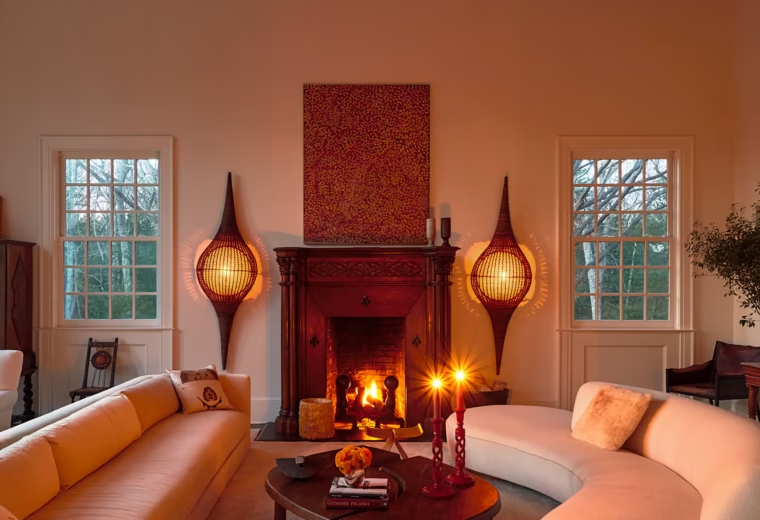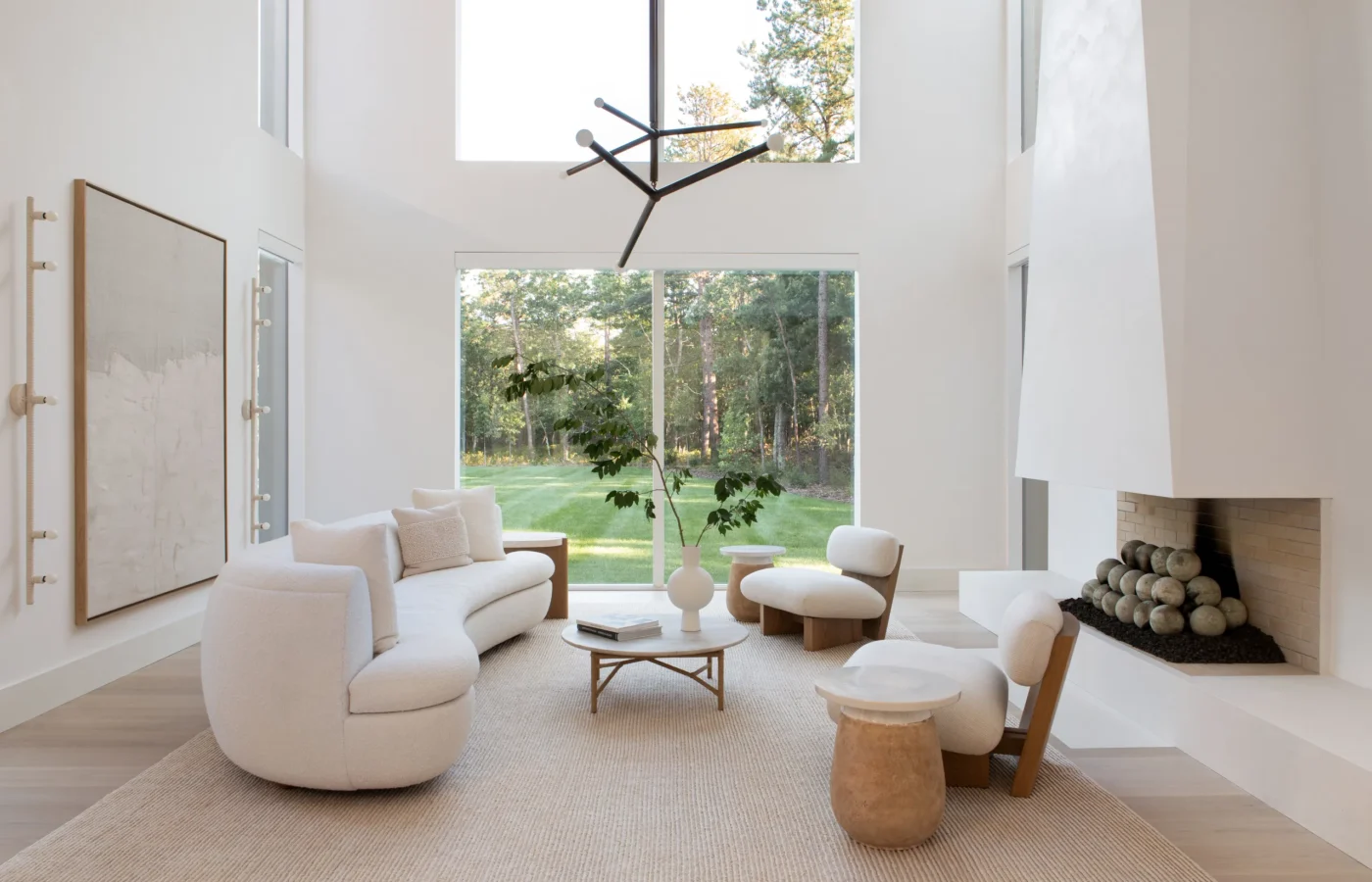
Feel like your home is more overwhelming than relaxing? Minimalist home design ideas focus on simplicity, intention, and space, helping create an environment that feels calmer and easier to live in.
Minimalism isn’t about having an empty house — it’s about keeping only what adds real value, function, or meaning to your daily life.
In this guide, we’ll explore practical minimalist home design ideas that help you create a peaceful, uncluttered space without sacrificing comfort or personality.
1. Understanding the Core Principles of Minimalist Design
Before diving into specific rooms, it helps to understand the philosophy behind minimalist home design ideas.
- Focus on quality over quantity when choosing furniture and decor
- Keep only items that serve a clear purpose or bring genuine value
- Embrace open space as a design feature rather than something to fill
- Choose a simple, cohesive color palette throughout the home
Understanding these foundational principles makes it easier to apply minimalism consistently across every room.
2. Decluttering as the First Step
Decluttering is the essential starting point for any minimalist home design ideas approach.
- Sort belongings into keep, donate, and discard categories
- Remove duplicate items that serve the same function
- Store seasonal items out of sight when not in use
- Regularly reassess belongings to prevent clutter from accumulating again
(Internal link suggestion: link to “deep cleaning checklist: the ultimate room-by-room guide”)
A thorough declutter creates the foundation needed before any minimalist design changes can truly take effect.
3. Choosing Simple, Functional Furniture
Furniture selection plays a central role in successful minimalist home design ideas.
- Choose pieces with clean lines and minimal ornamentation
- Prioritize multi-functional furniture that reduces the need for extra pieces
- Avoid overcrowding rooms with unnecessary seating or storage units
- Select furniture with visible legs to create a lighter, more open feel
(Internal link suggestion: link to “how to decorate a small living room without clutter”)
Simple, well-chosen furniture pieces allow the room’s architecture and open space to become part of the design itself.
4. Embracing a Neutral Color Palette
Color choices significantly influence the calming effect central to minimalist home design ideas.
- Stick to whites, soft greys, and warm neutrals as base tones
- Use muted, natural colors like beige or sage for subtle warmth
- Avoid bold patterns or clashing colors that create visual noise
- Introduce color sparingly through a single accent piece if desired
(Internal link suggestion: link to “how to choose the perfect paint color for every room”)
A restrained color palette allows the eye to rest, contributing significantly to the sense of calm minimalism aims to create.
5. Maximizing Natural Light and Openness
Light and openness are essential components of effective minimalist home design ideas.
- Use sheer or minimal window treatments to maximize natural light
- Avoid heavy curtains or blinds that block daylight
- Keep windows unobstructed by furniture or decor
- Use mirrors strategically to amplify natural light throughout the space
Bright, open spaces naturally feel more peaceful and spacious, reinforcing the minimalist goal of simplicity and calm.
6. Smart Storage Solutions to Maintain Order
Effective storage is what allows minimalist home design ideas to remain practical for everyday living.
- Use built-in or hidden storage to keep surfaces clear
- Choose furniture with integrated storage, like ottomans or bed frames
- Organize closets and cabinets with clear labeling systems
- Regularly return items to designated storage after use
Well-planned storage ensures that minimalism doesn’t compromise functionality, keeping daily essentials accessible yet out of sight.
7. Curating Decor Thoughtfully
Rather than eliminating decor entirely, minimalist home design ideas focus on intentional curation.
- Choose a few meaningful pieces rather than filling every surface
- Rotate decor seasonally to keep spaces feeling fresh without clutter
- Select artwork or objects that hold genuine personal significance
- Leave empty wall or shelf space intentionally, rather than filling every gap
This thoughtful approach to decor allows each chosen piece to stand out, rather than competing for attention in a crowded space.
8. Applying Minimalism to Daily Habits
Sustaining minimalist home design ideas long-term requires adjusting daily habits, not just initial design choices.
- Adopt a “one in, one out” rule when bringing new items into the home
- Regularly evaluate whether new purchases align with your minimalist goals
- Dedicate a few minutes daily to tidying and returning items to their place
- Involve the whole household in maintaining minimalist habits consistently
(Internal link suggestion: link to “budget home decorating ideas that look expensive”)
Building these habits ensures that your minimalist design remains sustainable rather than reverting to clutter over time.
Frequently Asked Questions
1. What are the key principles of minimalist home design ideas? Simplicity, intentional decor, neutral colors, and functional furniture form the foundation of minimalist design.
2. Does minimalist design mean having very little furniture? Not necessarily — it means choosing furniture thoughtfully based on function and quality rather than quantity.
3. How can I start transitioning to a minimalist home? Begin with thorough decluttering, followed by simplifying your color palette and furniture choices room by room.
4. Is minimalist design suitable for families with children? Yes, with smart storage solutions and functional furniture, minimalist design can work well even in busy households.
5. Can I add personal touches in a minimalist home? Absolutely — minimalism focuses on intentional curation, allowing meaningful personal items to remain without clutter.
6. How do I maintain a minimalist home long-term? Adopting habits like regular decluttering and mindful purchasing helps sustain minimalist design over time.
Conclusion
Embracing minimalist home design ideas creates a calmer, more intentional living space by focusing on simplicity, function, and thoughtful curation. From decluttering and neutral palettes to smart storage and daily habits, each element contributes to a more peaceful home environment.
Start small by decluttering one room, then gradually apply these principles throughout your home for lasting results.
Ready to simplify your space? Try one of these minimalist home design ideas today and experience the calm that comes with intentional living.
Image Alt Text Suggestions:
- “Minimalist home design ideas — clean, uncluttered living room with neutral tones”
- “Simple functional furniture in a minimalist bedroom”
- “Open, bright minimalist space with natural light and minimal decor”