Not sure whether to grab your toolbox or dial a professional? The plumber vs DIY plumbing decision is one every homeowner faces at some point, and getting it right can save both money and stress.
Some plumbing issues are simple enough to handle with basic tools, while others carry risks of water damage or safety hazards if mishandled.
In this guide, we’ll break down the plumber vs DIY plumbing debate clearly, helping you decide confidently based on the situation at hand.
1. Understanding the Plumber vs DIY Plumbing Decision
Before tackling any repair, it helps to understand the general factors that shape the plumber vs DIY plumbing choice.
- Complexity of the issue — simple fixes vs system-wide problems
- Tools and skills required — basic tools vs specialized equipment
- Risk involved — cosmetic issues vs potential water damage
- Time available — quick fixes vs time-consuming repairs
Weighing these factors before starting a project helps avoid turning a small issue into a bigger, costlier problem.
2. Plumbing Issues You Can Usually DIY
Many everyday plumbing issues fall clearly on the DIY side of the plumber vs DIY plumbing spectrum.
- Fixing a leaky tap by replacing a worn washer
- Unclogging a slow drain using a plunger or drain snake
- Adjusting a running toilet’s flapper or float mechanism
- Cleaning clogged aerators to restore water pressure
(Internal link suggestion: link to “common plumbing problems and how to fix them yourself”)
These tasks typically require only basic tools and carry minimal risk if done carefully.
3. Plumbing Issues That Need a Professional
On the other side of the plumber vs DIY plumbing decision are issues that genuinely require professional expertise.
- Major pipe bursts or significant water leaks
- Sewage line blockages or backups
- Water heater issues involving gas lines or electrical connections
- Complete repiping or major bathroom and kitchen renovations
Attempting these repairs without proper training can lead to further damage, safety hazards, or costly mistakes.
4. Signs a Problem Is Bigger Than It Looks
Sometimes what seems like a minor issue turns out to require professional help, making this an important part of the plumber vs DIY plumbing conversation.
- Water stains spreading across walls or ceilings
- Persistent low water pressure throughout the entire home
- Recurring clogs despite repeated DIY attempts
- Unusual sounds like banging or gurgling in pipes
(Internal link suggestion: link to “seasonal home maintenance checklist you shouldn’t skip”)
If a problem keeps returning after DIY fixes, it’s often a sign of a deeper underlying issue that needs expert diagnosis.
5. Tools Needed for Basic DIY Plumbing
Having the right tools makes a real difference when deciding on the DIY side of the plumber vs DIY plumbing equation.
- Adjustable wrench for tightening or loosening fittings
- Plunger and drain snake for clearing clogs
- Plumber’s tape for sealing pipe joints
- Bucket and towels to manage water during repairs
Investing in these basic tools prepares you to handle minor issues confidently without needing to call a plumber every time.
6. Cost Considerations in Plumber vs DIY Plumbing Choices
Cost is often a deciding factor in the plumber vs DIY plumbing debate, though it shouldn’t be the only consideration.
- DIY repairs save on labor costs for simple, low-risk issues
- Professional repairs may cost more upfront but prevent repeat problems
- Mistakes during DIY attempts can sometimes lead to more expensive repairs later
- Getting quotes from multiple plumbers helps you compare fair pricing
Balancing cost with the complexity and risk of the issue leads to smarter, more informed decisions.
7. Safety Considerations to Keep in Mind
Safety should always play a central role in any plumber vs DIY plumbing decision, regardless of cost savings.
- Always turn off the main water supply before starting repairs
- Avoid DIY attempts on gas-connected water heaters or appliances
- Use proper protective gear when handling tools or chemicals
- Stop and call a professional if a repair feels beyond your comfort level
Prioritizing safety over saving money prevents accidents and additional damage during plumbing repairs.
8. How to Choose the Right Plumber When Needed
When the plumber vs DIY plumbing decision leans toward calling a professional, choosing the right one matters just as much.
- Check for licensing and relevant experience
- Ask for clear, written estimates before work begins
- Read reviews or ask for references from previous clients
- Confirm whether follow-up visits are included if issues recur
Taking time to choose a reliable plumber ensures quality work and reduces the chances of repeat problems.
Frequently Asked Questions
1. How do I know if a plumbing issue is DIY-friendly? Simple issues like leaky taps, minor clogs, or running toilets are usually safe for DIY, while major leaks or gas-related issues need a professional.
2. Is it cheaper to DIY plumbing repairs? Often yes for minor issues, but mistakes can lead to costlier repairs, making professional help worthwhile for complex problems.
3. What plumbing repairs should never be done without a professional? Gas line connections, sewage backups, and major pipe repairs should always be handled by licensed professionals.
4. What basic tools do I need for DIY plumbing? An adjustable wrench, plunger, drain snake, and plumber’s tape cover most common DIY plumbing tasks.
5. How can I tell if a plumbing problem is more serious than it looks? Recurring issues, water stains, or unusual pipe noises often indicate a deeper problem requiring professional inspection.
6. Should I always get multiple quotes before hiring a plumber? Yes, comparing quotes from two to three plumbers helps ensure fair pricing and quality service.
Conclusion
Navigating the plumber vs DIY plumbing decision comes down to understanding the complexity, risk, and safety involved in each situation. Simple fixes like leaky taps or minor clogs are usually safe to handle yourself, while major leaks or gas-related issues call for professional expertise.
Knowing where to draw this line helps you save money on small repairs while avoiding costly mistakes on bigger ones.
Facing a plumbing decision at home? Use this plumber vs DIY plumbing guide to confidently decide your next step.
Image Alt Text Suggestions:
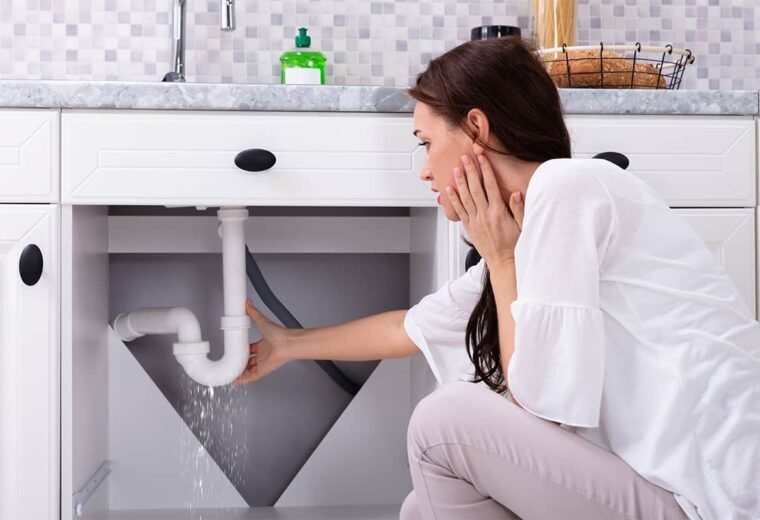
- “Plumber vs DIY plumbing — homeowner fixing a leaky tap”
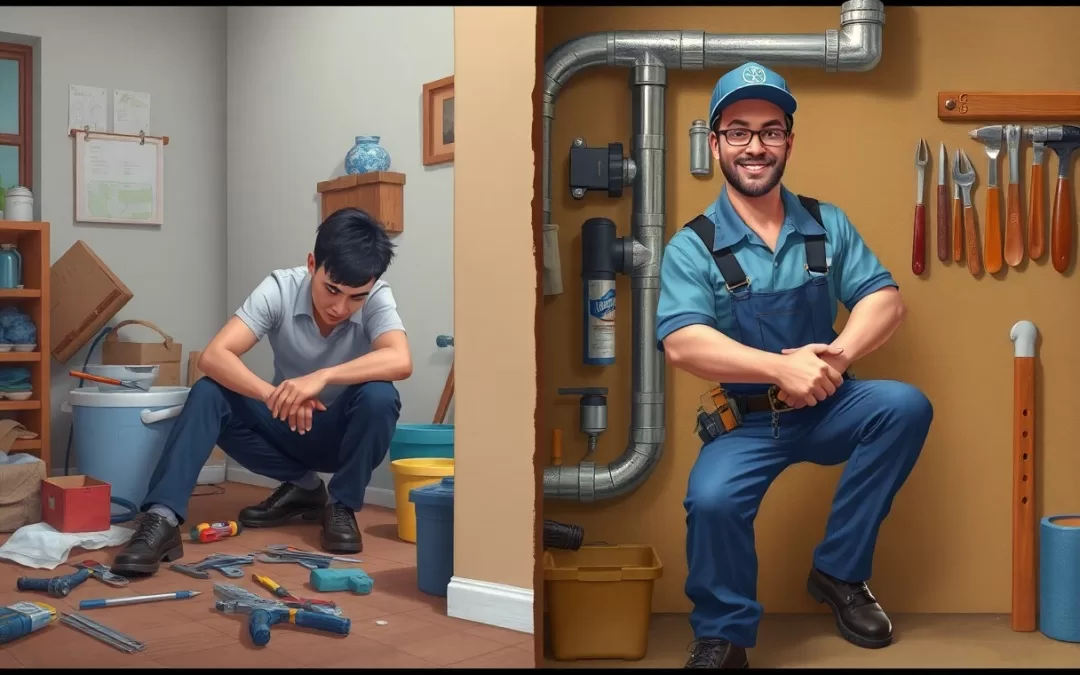
- “Professional plumber inspecting a major pipe leak”
- “Basic plumbing tools laid out for DIY home repairs”