Buying your first security system can feel overwhelming with so many options available. Understanding the best smart home security systems for beginners helps you make a confident, informed choice without unnecessary complexity.
Whether you live in an apartment or an independent house, modern security systems are now more affordable, easier to install, and simpler to use than ever before.
In this guide, we’ll walk through the key types, features, and considerations to help you choose the best smart home security systems for your specific needs and budget.
1. Understanding Different Types of Smart Home Security Systems
Before comparing options, it helps to understand the main categories among the best smart home security systems available today.
- DIY wireless systems — easy to install without professional help
- Professionally installed systems — wired setups monitored by a security company
- Camera-only systems — focused purely on video monitoring
- All-in-one hubs — combine cameras, sensors, and alarms in a single ecosystem
Choosing the right category depends on your budget, technical comfort, and whether you prefer self-monitoring or professional monitoring services.
2. Key Features to Look for as a First-Time Buyer
When comparing the best smart home security systems, certain features matter more for beginners than advanced or niche capabilities.
- Mobile app control for remote monitoring and alerts
- Motion detection with customizable sensitivity settings
- Two-way audio to communicate through cameras or doorbells
- Cloud or local storage options for recorded footage
- Easy installation without extensive wiring or drilling
(Internal link suggestion: link to “smart home upgrades every homeowner should try this year”)
Prioritizing these core features ensures you get reliable protection without paying for unnecessary complexity.
3. Video Doorbells: A Great Starting Point
For many first-time buyers, a video doorbell is often the easiest entry point among the best smart home security systems.
- See and speak to visitors remotely through your phone
- Receive instant alerts when someone approaches your door
- Record footage of deliveries, visitors, or suspicious activity
Video doorbells are especially useful for households with domestic help, frequent deliveries, or elderly family members at home.
4. Indoor and Outdoor Security Cameras
Cameras form the core of most smart home security systems, offering visibility into key areas of your home.
- Indoor cameras are ideal for monitoring living rooms, nurseries, or entrances
- Outdoor cameras need weatherproof housing and night vision capability
- Look for wide-angle lenses to cover larger areas with fewer cameras
Placing cameras strategically at entry points and common areas offers the most effective coverage for first-time setups.
5. Smart Locks and Access Control
Smart locks are increasingly included in the best smart home security systems, offering convenience alongside security.
- PIN-code access eliminates the need for physical keys
- Remote locking/unlocking through mobile apps adds flexibility
- Activity logs show who accessed the home and when
This feature is particularly useful for families managing multiple people entering the home, such as domestic staff or children.
6. Alarm Systems and Motion Sensors
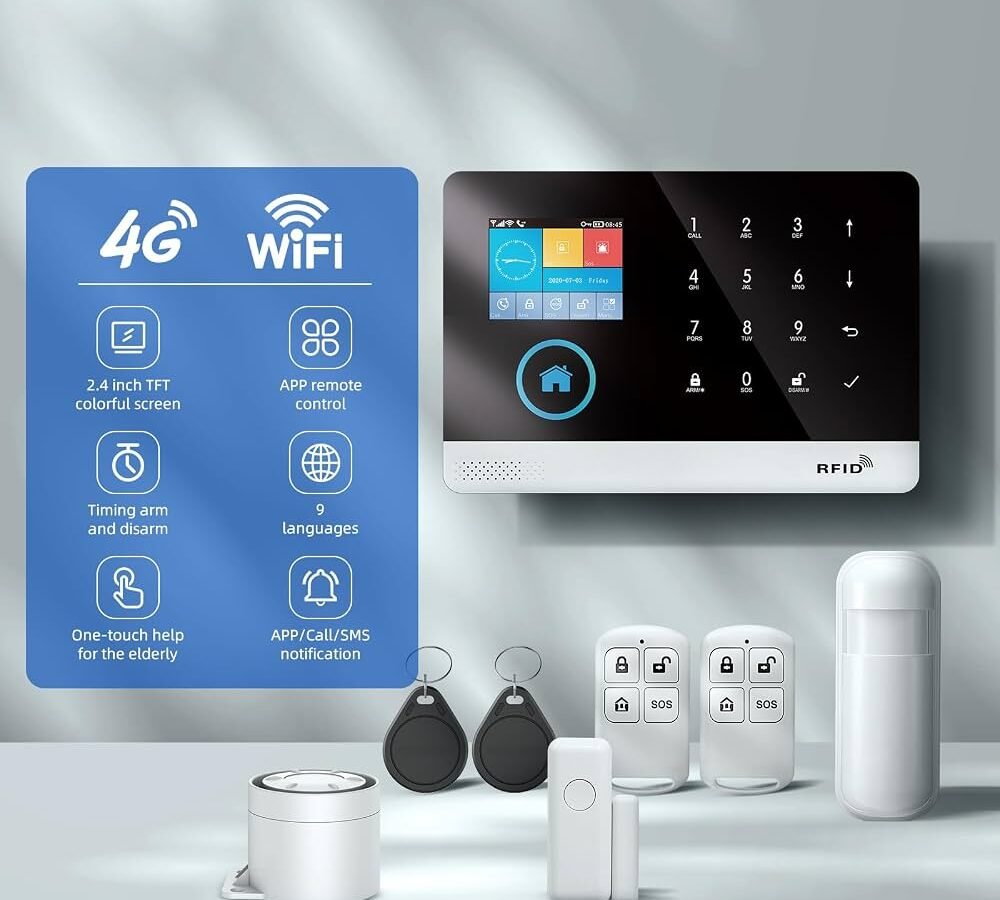
Alarm systems add an active layer of protection to any smart home security setup.
- Door and window sensors detect unauthorized entry attempts
- Motion sensors trigger alerts for movement in restricted areas
- Loud sirens can deter intruders and alert neighbors
(Internal link suggestion: link to “home security tips for Indian households”)
Combining sensors with cameras creates a more comprehensive security system than relying on cameras alone.
7. Budget Considerations for First-Time Buyers
Cost is often the deciding factor when selecting among the best smart home security systems, especially for first-time buyers.
- Start with essential components — one camera and a doorbell
- Expand gradually by adding sensors or smart locks over time
- Compare subscription costs for cloud storage versus one-time local storage devices
- Factor in installation costs if choosing a professionally monitored system
Starting small and expanding based on actual needs is a practical approach that avoids overspending upfront.
8. Setup and Maintenance Tips
Getting the most out of your smart home security system requires some basic ongoing maintenance.
- Regularly update device firmware for security patches
- Test cameras and sensors periodically to ensure proper functioning
- Use strong, unique passwords for all connected devices
- Keep the mobile app notifications enabled for real-time alerts
Following these simple habits ensures your system remains reliable and secure over time.
Frequently Asked Questions
1. What should first-time buyers look for in a smart home security system? Ease of installation, mobile app control, reliable motion detection, and clear video quality are the most important factors for beginners.
2. Are DIY smart home security systems reliable? Yes, many DIY systems offer strong performance and are suitable for most homes, especially when combined with cloud monitoring.
3. Do smart home security systems require internet access? Yes, most systems rely on Wi-Fi for real-time alerts, remote viewing, and app-based control.
4. Is a video doorbell enough for basic home security? A video doorbell is a great starting point, but combining it with cameras or sensors offers more complete protection.
5. How much should first-time buyers spend on a security system? Costs vary widely based on features and brand, so it’s best to start with essential devices and expand gradually.
6. Can smart home security systems work during power outages? Many systems include battery backup, but it’s worth checking this feature before purchasing, especially for areas with frequent outages.
Conclusion
Choosing among the best smart home security systems doesn’t have to be complicated for first-time buyers. Starting with essentials like a video doorbell or a single camera, then expanding with sensors and smart locks, offers a practical path to a safer home.
Focus on ease of use, reliable app control, and features that match your specific household needs rather than chasing every available feature.
Ready to secure your home? Start with one device from this guide and build your smart home security system step by step.
Image Alt Text Suggestions:
- “Best smart home security systems — video doorbell installed at entrance”
- “Outdoor security camera monitoring home exterior at night”
- “Smart lock with PIN code access for home security”