
A home’s plumbing system is easy to overlook when everything works as it should. Water comes out of the tap, the shower warms up, and the drains carry wastewater away without much thought. Then one morning, the hot water disappears, a pipe starts leaking, or a drain backs up just when the day is already running late. Suddenly, plumbing becomes the most important thing in the house.
Regular care can prevent many of these frustrating moments. It also helps homeowners understand when a small repair is enough and when a larger improvement makes more sense. Whether you live in an older property or are planning a new home, knowing how your plumbing works can save time, money, and a fair amount of stress.
Why Routine Plumbing Care Makes a Difference
Plumbing problems rarely arrive with a convenient warning. A slow drip beneath a sink may seem harmless, but over time it can damage cabinets, encourage mold growth, and waste water. A toilet that keeps running may not look like an emergency, yet the extra water use can add up month after month.
A practical approach starts with paying attention to changes. Notice unusual sounds in the pipes, water stains on walls or ceilings, reduced water pressure, or drains that take longer than usual to empty. These signs do not always point to a major fault, but they deserve attention before the problem spreads.
Homeowners can handle a few simple checks themselves. Look under sinks occasionally, keep an eye on visible pipes, and learn where the main water shutoff valve is located. If a leak develops, knowing how to turn off the supply can limit damage while professional help is arranged.
Getting More From Your Hot Water System
Hot water is one of those everyday comforts people tend to notice only when it stops working. A shower that turns cold too quickly, a tank that makes strange popping noises, or water that looks rusty can indicate a problem worth investigating. The cause might be a worn component, sediment buildup, a thermostat issue, or a system that has reached the end of its useful life.
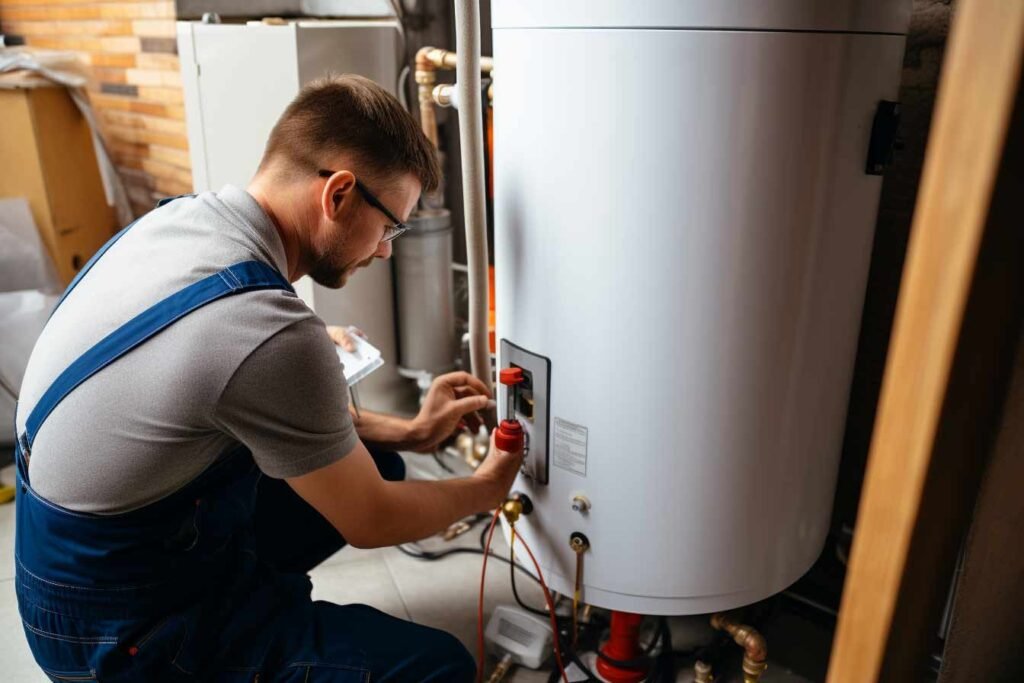
Professional water heater services can help identify the source of the trouble and determine whether repair or replacement is the sensible option. The right solution depends on the unit’s age, condition, fuel type, household demand, and local installation requirements. Replacing a part may be reasonable for a relatively new system, while an older unit with repeated failures may be more expensive to keep running.
There are a few things homeowners can do to support safe operation. Keep the area around the heater clear, watch for moisture near the base, and never ignore the smell of gas or signs of scorching. Do not attempt repairs involving gas connections, electrical components, or pressurized equipment unless you are qualified to do so. These are jobs where professional knowledge matters.
Knowing When a Plumbing Problem Cannot Wait
Some plumbing issues can wait until a scheduled appointment. Others need a faster response. A burst pipe, a major leak, sewage backing into a living area, or water spreading near electrical equipment can quickly become a safety concern and cause significant property damage.
In these situations, emergency plumbing support can help contain the problem and restore essential services. While waiting for a plumber, shut off the water supply if it is safe to reach the valve. Keep people away from contaminated water, and avoid touching electrical switches or appliances in wet areas. If you suspect a gas leak, leave the property and contact the appropriate emergency service rather than investigating the source yourself.
Not every urgent-looking issue requires the same response, of course. A dripping tap may be inconvenient, while a leaking pipe inside a wall could be damaging the structure without being immediately visible. Explain the symptoms clearly when contacting a professional, including when the problem started, where water is appearing, and whether the issue is getting worse. Those details can help the plumber assess the situation.
Planning Plumbing for a New Home
Building a house offers an opportunity to make practical decisions before the walls are closed and the fixtures are installed. Pipe routes, drain placement, water pressure, hot water capacity, and access for future maintenance all affect how well the system performs over time.
Reliable new construction services should account for the household’s actual needs rather than simply installing the minimum equipment required. A family with several bathrooms may need a different hot water setup from a small household. Kitchen layouts, laundry areas, outdoor taps, and future renovation plans can also influence the design.
It is worth discussing access points with the contractor early. Shutoff valves, cleanouts, and serviceable connections should be reachable without removing finished walls or cabinetry. Choosing suitable materials and ensuring that work complies with local plumbing codes can also reduce the chance of costly corrections later.
Before accepting the completed work, ask for an explanation of the main shutoff locations and any maintenance requirements. Keep product manuals, warranties, and installation records together. These documents are easy to misplace during a move, but they can be useful years later when a fixture needs repair or a replacement part is required.
Choosing a Plumbing Professional With Care
Price matters, but it should not be the only factor when choosing a plumber. A very low estimate may leave out necessary work, while an unusually high quote deserves a clear explanation. Ask what the proposed service includes, whether parts and labor are covered, and how unexpected problems will be handled.
Check that the professional has the appropriate license or credentials for your location and the type of work involved. For larger projects, written estimates and clear timelines are especially useful. A good plumber should be willing to explain the issue in plain language and discuss reasonable options without pressuring you into unnecessary upgrades.
Communication also counts. You want someone who arrives prepared, treats your property respectfully, and explains what was repaired or replaced. After the job, keep the invoice and any warranty details. If a similar issue returns, having a record of the previous work makes the next conversation much easier.
Small Habits That Help Prevent Big Repairs
Plumbing maintenance does not need to become a complicated household project. Avoid pouring grease down kitchen drains, use drain covers where hair tends to collect, and do not treat toilets as disposal bins for wipes or other unsuitable items. These simple habits can reduce clogs and unnecessary strain on the system.
During colder weather, protect vulnerable pipes according to local guidance, particularly in unheated areas. If you notice persistent dampness, a sudden increase in your water bill, or repeated drain problems, arrange an inspection instead of assuming the issue will disappear.
The best plumbing strategy is a balanced one: take care of simple maintenance, recognize warning signs, and call a qualified professional when a problem is beyond your skills. A little attention now can help prevent an inconvenient repair from turning into a major disruption later.
A reliable plumbing system does more than move water around a house. It supports daily routines, protects the property, and makes the home comfortable to live in. With sensible planning and timely care, it can keep doing that quietly for years.